

How Technology Shapes Our Daily Lives in 2026: Smart, Connected, and Efficient
In 2026, smart homes have evolved from futuristic concepts into mainstream living spaces. AI-powered assistants, such as voice-activated devices and intelligent home hubs, now manage daily routines seamlessly. From adjusting lighting and climate control to scheduling reminders, these systems make life more efficient. Home automation is no longer limited to convenience; it enables homeowners to focus on tasks that require human decision-making while leaving repetitive chores to AI.
Energy Efficiency Through Smart Devices
Energy efficiency has become a core focus in modern smart homes. Connected thermostats, smart plugs, and intelligent appliances optimize power consumption based on user habits. For instance, a smart thermostat learns when residents are home and adjusts heating or cooling accordingly, reducing energy waste. Similarly, smart lighting systems automatically dim or switch off when a room is unoccupied. These innovations not only lower utility bills but also contribute to a sustainable lifestyle, aligning with global environmental priorities.
Security and Privacy in Connected Homes
While smart homes offer convenience, security, and privacy remain top concerns. Advanced home security systems now incorporate AI-powered cameras, motion sensors, and biometric access controls to protect property and occupants. However, the increased data sharing between devices requires robust encryption and privacy protocols. In 2026, homeowners must strike a balance between the benefits of a connected home and the responsibility of safeguarding personal information against cyber threats.
Wearable Technology and Personal Health
Smartwatches and Fitness Trackers
Wearable technology has become indispensable for managing personal health. Smartwatches and fitness trackers monitor daily activity, heart rate, sleep patterns, and other vital metrics, providing real-time feedback. These devices encourage healthier habits by offering insights into physical performance and lifestyle choices. With user-friendly interfaces and seamless smartphone integration, wearables have transformed how individuals track and achieve their fitness goals.
Health Monitoring and Predictive Analytics
Beyond tracking basic metrics, modern wearables utilize predictive analytics to detect potential health issues early. AI algorithms analyze long-term data patterns to identify irregularities in heart rate, blood pressure, or sleep cycles, enabling the implementation of preventive interventions. This proactive approach reduces the risk of chronic conditions and empowers users to take timely action, marking a significant advancement in personal healthcare technology.
Personalized Wellness Recommendations
In 2026, wearables do more than monitor health; they provide personalized wellness guidance. AI-driven platforms provide personalized exercise routines, dietary suggestions, and stress management strategies tailored to individual data. By combining biometric feedback with lifestyle information, these technologies help users optimize their overall well-being. Personalized recommendations enhance the user experience, making technology an active partner in daily health management.
You might also like this: Kerkt Explained
AI in Everyday Life
Virtual Assistants and Daily Productivity
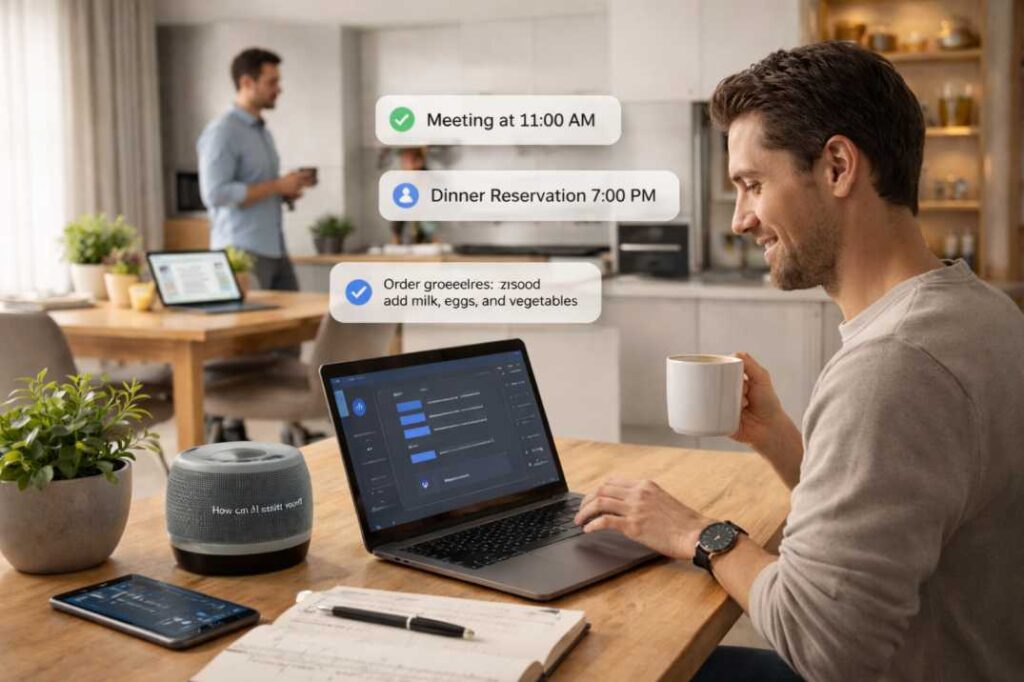
Artificial intelligence has become an integral part of everyday routines, enhancing productivity and streamlining tasks. Virtual assistants schedule meetings, manage emails, and even suggest task prioritization. Their ability to understand natural language and anticipate user needs allows individuals to focus on higher-level decision-making. In offices and homes alike, AI assistants serve as indispensable tools for time management and efficiency.
AI-Powered Recommendations and Services
AI-driven recommendations are now available for entertainment, shopping, and professional services. Streaming platforms curate content based on viewing history, while e-commerce platforms suggest products tailored to individual preferences. In professional settings, AI tools assist with research, data analysis, and project management. These services not only save time but also enhance decision-making by offering personalized, relevant options.
Ethical Considerations and AI Trust
As AI becomes integral to daily life, ethical considerations are paramount. Transparency in AI decision-making, data privacy, and accountability are critical factors for maintaining user trust. In 2026, developers and policymakers are working to ensure that AI systems operate responsibly, avoiding bias and protecting sensitive information. Trustworthy AI is essential for long-term adoption and for ensuring technology enhances human life without unintended consequences.
Transportation and Mobility Innovations
Electric Vehicles and Autonomous Driving
Transportation in 2026 is defined by electric vehicles (EVs) and autonomous driving technologies. EV adoption continues to rise due to environmental benefits and reduced operating costs. Autonomous vehicles are being increasingly integrated into urban transportation networks, offering safer and more efficient travel options. These innovations reduce traffic congestion and carbon emissions, reshaping urban mobility worldwide.
Smart Traffic Systems and Urban Planning
Smart traffic management systems optimize vehicle flow using real-time data and predictive analytics. Sensors, connected vehicles, and AI-powered algorithms reduce congestion, minimize accidents, and improve commute times. Urban planners utilize these technologies to design cities that facilitate sustainable transportation, ensuring that mobility infrastructure aligns with contemporary environmental and efficiency standards.
The Future of Public Transport
Public transport has also embraced technology to enhance efficiency and accessibility. Intelligent routing, real-time updates, and digital ticketing improve user convenience. Autonomous buses and shared mobility solutions reduce dependency on private cars, supporting sustainable urban living. By integrating smart transport systems, cities in 2026 offer faster, safer, and greener commuting options for residents.
Communication and Social Connectivity
5G and Ultra-Fast Connectivity
In 2026, 5G networks have transformed how we connect and communicate. Ultra-fast speeds and low latency enable seamless video calls, instant file sharing, and uninterrupted streaming. Businesses benefit from enhanced cloud services and real-time collaboration, while consumers enjoy more seamless online experiences. 5G also supports the growing Internet of Things (IoT), allowing smart devices to communicate efficiently, creating a fully interconnected digital ecosystem.
Virtual and Augmented Reality in Social Spaces
Virtual and augmented reality technologies are redefining social interactions. VR platforms allow people to meet in immersive digital environments, attend virtual concerts, or collaborate in interactive workspaces. Augmented reality enhances real-world experiences with digital overlays, from gaming to social media interactions. These technologies create richer, more engaging communication experiences, bridging distances and bringing people together in ways previously unimaginable.
Redefining Work and Remote Collaboration
Remote work has become a standard practice, supported by advanced connectivity and collaborative tools. Cloud-based platforms, AI-driven project management software, and virtual workspaces ensure teams remain productive regardless of location. Real-time collaboration, virtual meetings, and shared digital environments reduce the need for physical offices, making work more flexible while maintaining efficiency and productivity. Technology now enables a global workforce to operate seamlessly and effectively.
You might also like this: Spaietacle Review (2026)
Education and Learning Technologies

AI Tutors and Adaptive Learning
Artificial intelligence has revolutionized education through the implementation of personalized learning. AI tutors provide personalized lessons, track student progress, and identify areas that require improvement. Adaptive learning systems adjust the difficulty and content based on individual performance, ensuring students receive targeted instruction. These tools enhance engagement and learning outcomes, making education more efficient and tailored to each learner’s needs.
Virtual Classrooms and Immersive Education
Virtual classrooms have expanded access to quality education. Students can attend live sessions, participate in interactive exercises, and collaborate with peers from anywhere in the world. Immersive technologies, including VR and AR, allow learners to explore complex concepts through simulations and interactive visualizations. This approach transforms traditional education, making it more engaging and effective, while preparing students for a technologically advanced society.
Bridging the Digital Divide
Despite technological advances, access to digital education remains unequal. Efforts to bridge the digital divide focus on providing affordable devices, internet access, and educational resources to underserved communities. Public and private initiatives aim to ensure all students benefit from modern learning technologies. By addressing these disparities, technology becomes a powerful tool for promoting equity, thereby expanding opportunities for learners globally.
E-Commerce and Smart Shopping
AI-Driven Personalization
E-commerce platforms in 2026 leverage AI to deliver highly personalized shopping experiences. Algorithms analyze user behavior, preferences, and purchase history to suggest relevant products. Personalized recommendations increase engagement, improve customer satisfaction, and drive sales. Shoppers now receive tailored offers that make online shopping more convenient, efficient, and enjoyable.
Seamless Mobile and Voice Commerce
Mobile and voice commerce have transformed consumer behavior. Smartphones, tablets, and smart speakers enable instant purchases through intuitive interfaces. Voice assistants enable hands-free shopping, while mobile apps offer fast and secure payment options. The ease of these technologies encourages frequent engagement, making digital shopping a central part of daily life.
Augmented Reality Shopping Experiences
Augmented reality enhances online shopping by letting customers visualize products in real-world settings. Users can try on clothing virtually, view furniture in their home, or explore detailed product features before making a purchase. This immersive experience reduces purchase uncertainty, enhances satisfaction, and bridges the gap between online and offline retail, ultimately transforming the shopping journey.
Sustainability Through Technology
Smart Grids and Renewable Energy Management
Technology plays a critical role in sustainable energy management. Smart grids monitor electricity usage in real-time, optimizing supply and demand while integrating renewable energy sources. AI-driven energy management systems reduce waste, lower costs, and support the development of greener infrastructure. By enabling efficient energy distribution, smart grids contribute to a more sustainable and resilient power system.
Waste Reduction with IoT and Automation
IoT devices and automated systems help reduce waste in homes and industries. Sensors track consumption, detect inefficiencies, and trigger corrective actions. Smart appliances minimize food and energy waste, while automated industrial processes ensure resource optimization. These technologies support environmental responsibility and promote sustainable living practices.
Green Tech Innovations in Daily Life
Every day of life benefits from innovations that prioritize sustainability. Solar-powered devices, energy-efficient appliances, and eco-friendly materials are now widely adopted. Technology empowers individuals to reduce their carbon footprint while maintaining modern conveniences. From transportation to home management, green tech is embedded in daily routines, creating a balance between efficiency and environmental care.
You might also like this: Smart Home Essentials
Challenges of a Hyper-Connected World

Data Privacy and Cybersecurity Threats
As our world becomes increasingly connected, data privacy and cybersecurity have emerged as critical concerns. Smart devices, wearable technology, and cloud-based services collect vast amounts of personal information. While this data powers AI-driven services, it also creates vulnerabilities. Cyberattacks, data breaches, and identity theft pose significant risks to both individuals and organizations. In 2026, robust encryption, secure networks, and privacy-focused regulations are essential to safeguard sensitive information and maintain user trust.
Digital Addiction and Mental Health
The constant connectivity brought by smartphones, social media, and gaming platforms has contributed to digital addiction. Excessive screen time affects mental health, increasing stress, anxiety, and sleep disturbances. Awareness campaigns and digital wellness tools have become crucial to encourage responsible usage. AI-powered apps now monitor usage patterns, suggesting breaks and mindfulness exercises to promote a healthier balance between online and offline life.
Balancing Convenience with Responsibility
While technology offers unprecedented convenience, it requires careful management and oversight. Smart homes, AI assistants, and autonomous systems simplify daily routines; however, users must remain aware of the ethical and privacy implications. Responsible adoption involves understanding the trade-offs between ease of use and potential risks. Education, digital literacy, and clear guidelines empower individuals to enjoy the benefits of technology while minimizing adverse effects on their privacy and well-being.
Future Outlook: Technology in 2030
Emerging Trends to Watch
Looking ahead to 2030, several technological trends are expected to significantly impact daily life. AI and machine learning will become even more integrated, enabling predictive services and informed decision-making across various industries. Robotics and automation will enhance efficiency in homes and workplaces, while quantum computing has the potential to revolutionize problem-solving capabilities. Sustainable tech solutions, including advanced energy storage and eco-friendly materials, will address environmental challenges, making technology both smarter and greener.
Preparing for a Smart, Connected Future
Adapting to a future dominated by technology requires proactive preparation. Individuals should cultivate digital literacy by staying informed about cybersecurity, AI ethics, and emerging technologies. Governments and organizations must implement policies that promote innovation while protecting citizens from digital risks. By fostering a culture of continuous learning and ethical adoption of technology, society can harness the full potential of smart, connected technologies responsibly.
The Human-Tech Balance
Maintaining a human-tech balance is crucial as automation and AI assume more tasks. Technology should enhance human capabilities rather than replace them entirely. Mindful usage, digital detox practices, and prioritizing human interaction help ensure that technology complements rather than dominates life. In 2030, a successful balance will be measured by how effectively individuals leverage smart tools while preserving well-being, creativity, and social connection.
Frequently Asked Questions (FAQs)
How is AI improving daily productivity in 2026?
AI streamlines routine tasks, manages schedules, and analyzes data to support better decision-making. Virtual assistants, automated reminders, and AI-driven project management tools help individuals and businesses save time, allowing them to focus on high-priority work.
What are the main privacy risks with smart home devices?
Smart devices collect sensitive data, making them targets for hackers. Risks include unauthorized access, data breaches, and potential misuse of personal information. Strong passwords, encryption, and device security updates are essential to mitigate these threats.
How do wearable technologies help in preventive healthcare?
Wearables track heart rate, sleep patterns, activity levels, and other key metrics, providing early insights into potential health issues. Predictive analytics can identify irregularities before they become serious problems, enabling preventive care and personalized health recommendations.
What role does technology play in sustainable living?
Technology enables smart energy management, reduces waste through IoT-enabled systems, and supports eco-friendly transportation. Smart grids, renewable energy monitoring, and efficient appliances enable individuals and communities to reduce their environmental impact.
How will transportation evolve in the next decade?
Transportation will increasingly rely on electric and autonomous vehicles, smart traffic management, and shared mobility solutions. Real-time data and AI will optimize routes, reduce congestion, and lower emissions, making urban mobility more efficient and sustainable.
You might also like this: Quartist Review 2026
Conclusion

By 2026, technology will have reshaped daily life, offering convenience, efficiency, and smarter solutions across homes, workplaces, and cities. However, challenges such as cybersecurity, digital addiction, and ethical concerns must be addressed to maximize the benefits. Preparing for 2030 requires striking a balance between technological adoption and responsibility, as well as fostering digital literacy and human-centered practices. By embracing smart, connected technologies thoughtfully, society can enjoy enhanced productivity, improved health, greater sustainability, and enhanced well-being, while maintaining a healthy balance between convenience and responsibility.