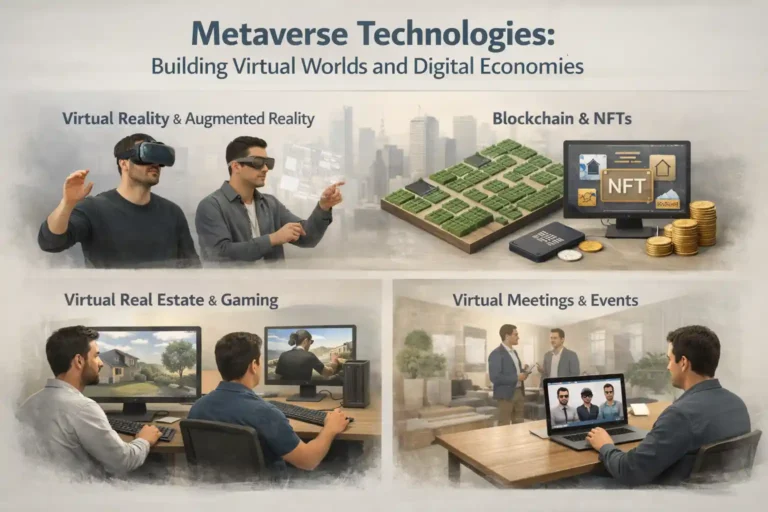
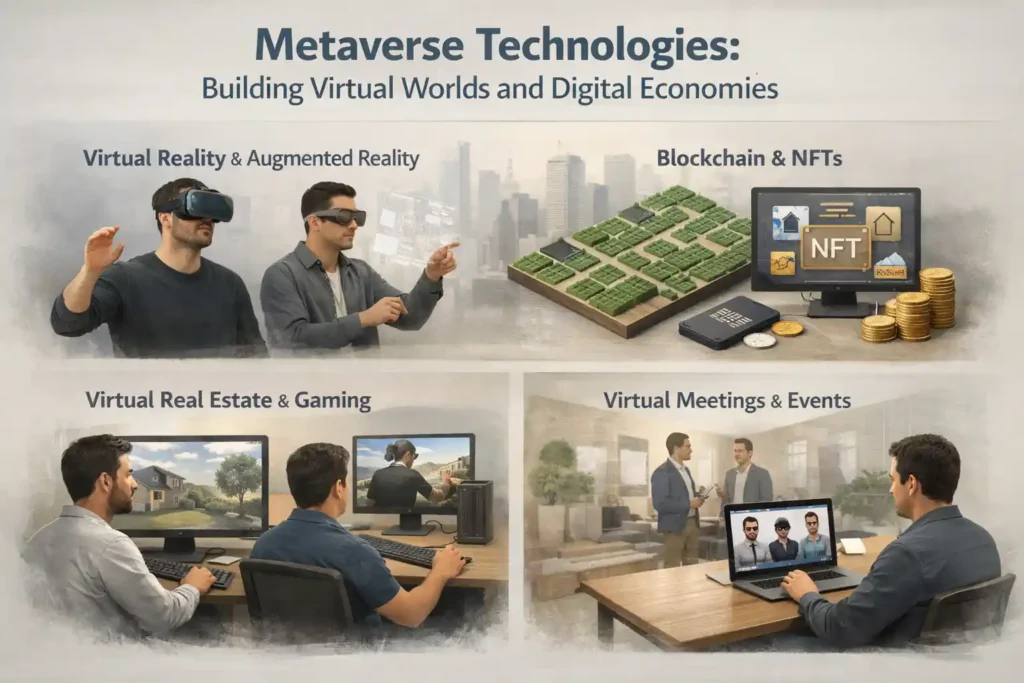

Metaverse Technologies: Building Virtual Worlds and Digital Economies
The metaverse is a digital universe that blends virtual reality, augmented reality, and the internet to create immersive online experiences. Unlike traditional online platforms, it allows users to interact, socialize, and conduct transactions in 3D virtual spaces. From virtual concerts and gaming worlds to digital workplaces, the metaverse is reshaping how people communicate, learn, and spend time online. Its growth is fueled by technological innovation, evolving consumer behavior, and increasing investment from major tech companies. The metaverse is not just about entertainment; it is a foundation for new digital economies and virtual societies.
Key Technologies
Virtual Reality (VR) & Augmented Reality (AR)
Virtual reality (VR) immerses users in fully digital environments through headsets and motion-tracking devices, offering experiences that feel real. From exploring fantastical landscapes to attending virtual meetings, VR enables users to engage with digital worlds in ways previously unimaginable. Augmented reality (AR), on the other hand, overlays digital elements onto the real world, enhancing how we interact with our surroundings. AR applications range from gaming and education to retail and design. Together, VR and AR form the visual backbone of the metaverse, making digital spaces engaging, interactive, and realistic.
Artificial Intelligence (AI) & Machine Learning
Artificial intelligence (AI) and machine learning (ML) power the intelligence behind the metaverse. AI-driven avatars and non-player characters (NPCs) respond to user actions, creating dynamic interactions. ML algorithms analyze user behavior to provide personalized experiences, content recommendations, and adaptive environments. From virtual assistants to automated moderation in social spaces, AI ensures that the metaverse is not only immersive but also intelligent. These technologies also help optimize performance, predict trends, and manage large-scale virtual ecosystems efficiently.
You might also like this: Axurbain Review 2026
Blockchain and NFTs
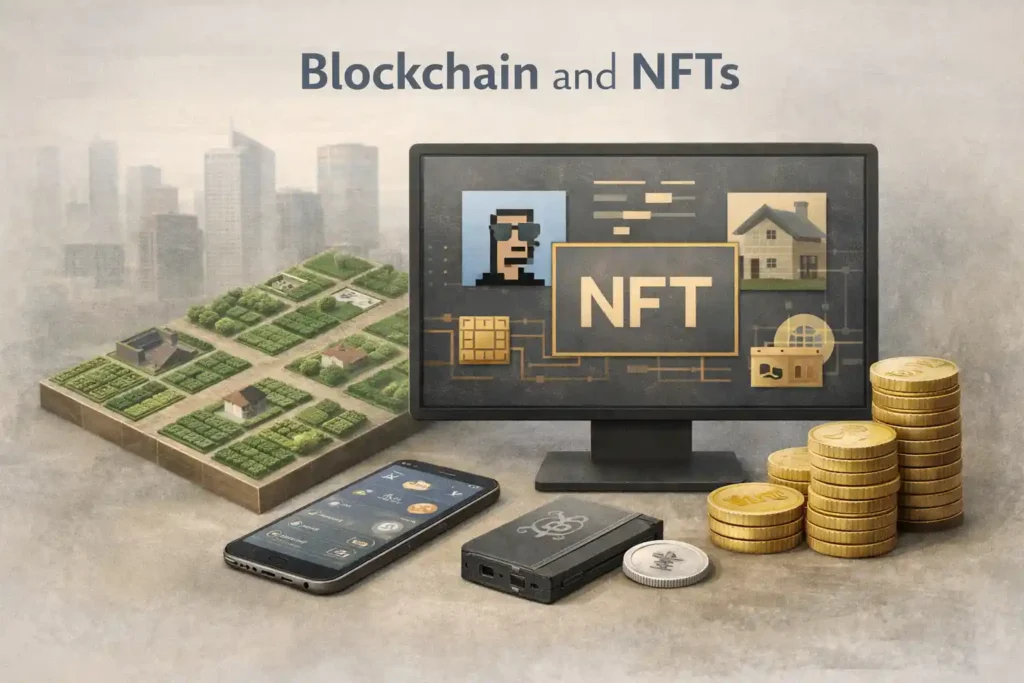
Digital Ownership and Tokens
Blockchain technology is the backbone of secure ownership in the metaverse. Unlike traditional digital content, which can be copied endlessly, blockchain enables unique digital assets to be created, owned, and transferred transparently. Non-fungible tokens (NFTs) represent ownership of digital items, such as artwork, avatars, or virtual real estate. Each NFT is unique, verifiable, and cannot be duplicated, providing proof of ownership in the virtual world. This system allows users to truly own and trade digital assets, bridging the gap between virtual and real-world economies.
NFT Marketplaces and Trading
NFT marketplaces are platforms where users can buy, sell, or trade digital assets securely. These marketplaces function similarly to traditional e-commerce platforms but focus entirely on digital property. Popular marketplaces allow creators to mint NFTs, set prices, and engage with global audiences. Users can invest in virtual art, gaming items, or digital real estate, turning the metaverse into a thriving digital economy. Blockchain ensures that transactions are secure, transparent, and irreversible, building trust among buyers and sellers.
Virtual Currencies
Cryptocurrency in the Metaverse
Virtual currencies or cryptocurrencies play a crucial role in the metaverse economy. Cryptocurrencies such as Ethereum and Solana are commonly used for transactions within virtual spaces. Users can buy virtual goods, pay for services, or invest in virtual real estate using these digital currencies. Cryptocurrencies provide a decentralized, secure, and borderless financial system that aligns perfectly with the global and digital nature of the metaverse. This also allows seamless integration of international users without relying on traditional banking systems.
Stablecoins and Payment Systems
Stablecoins are a type of cryptocurrency designed to maintain a consistent value, typically pegged to fiat currencies like the US dollar. They provide a reliable medium of exchange in the metaverse, reducing volatility in virtual transactions. Combined with blockchain-based payment systems, stablecoins allow users to purchase digital assets, pay for virtual experiences, and conduct business securely. These systems are crucial for creating a functional, trustworthy, and scalable digital economy that supports commerce within the metaverse.
Virtual Real Estate
Buying and Selling Land
Virtual real estate is one of the fastest-growing sectors in the metaverse. Users can purchase parcels of digital land on platforms like Decentraland or The Sandbox, allowing them to establish a presence in virtual worlds. Each piece of land is unique, often represented as a non-fungible token (NFT), providing secure ownership that can be verified on the blockchain. Investors buy land not only for personal use but also as a speculative asset, hoping its value will increase over time. Just like physical real estate, location, demand, and surrounding developments influence the price of virtual land. Selling or trading these assets can yield significant profits, making it a central component of the metaverse economy.
Building Digital Spaces
Once land is acquired, owners can build digital structures tailored to their needs. This includes virtual homes, offices, art galleries, or entertainment venues. Builders use 3D modeling tools and collaborative platforms to design interactive and visually appealing spaces. Businesses and creators leverage these spaces to host events, showcase products, or provide immersive experiences for visitors. Virtual architecture also allows experimentation without physical constraints, opening possibilities for creative expression that are impossible in the real world. Well-designed spaces can attract high traffic, increasing engagement and potential revenue for landowners.
You might also like this: Miuzo Explained
Gaming in the Metaverse
Immersive Games
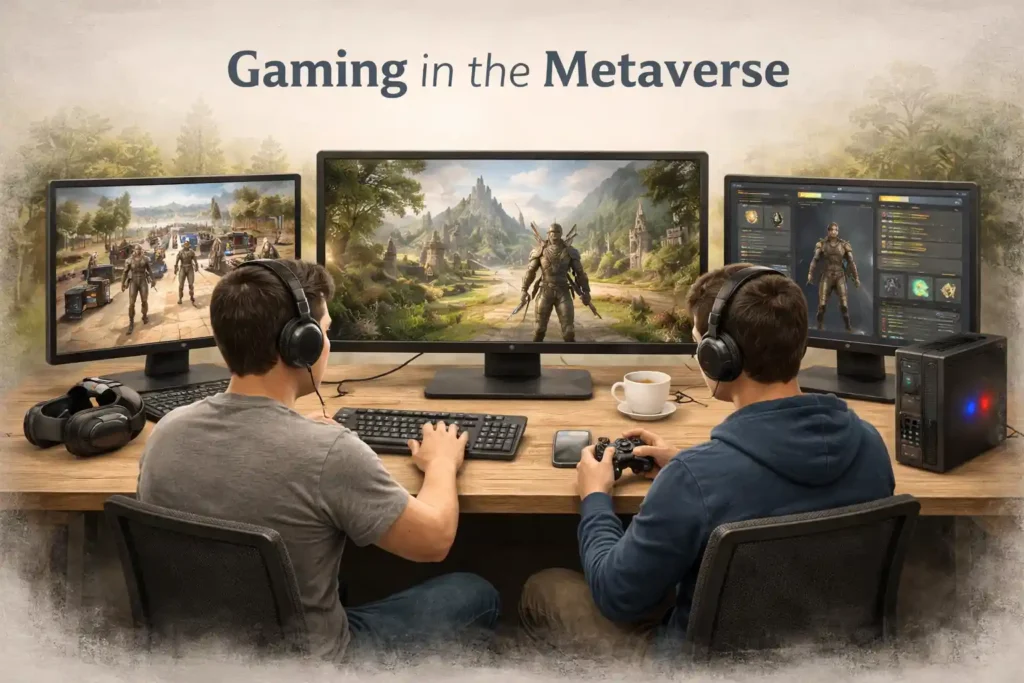
Gaming is a core driver of metaverse adoption. Virtual worlds provide immersive experiences where players can explore, socialize, and complete quests in rich 3D environments. VR and AR enhance these experiences, making players feel physically present within the game. Unlike traditional gaming, metaverse games emphasize social interaction, user-generated content, and continuous development. Players often participate in collaborative projects, build in-game assets, and interact with others in ways that blend entertainment and creativity. The immersive nature of these games keeps users engaged, contributing to the growth of metaverse platforms.
Play-to-Earn Models
Play-to-earn (P2E) models have revolutionized the gaming economy by allowing players to earn real-world value through gameplay. Users can earn cryptocurrencies or NFTs by completing missions, creating content, or trading in-game assets. This system turns gaming from a hobby into a potential source of income, attracting both casual and professional gamers. Play-to-earn models also incentivize community participation, as players collaborate and trade assets to maximize their earnings. With secure blockchain transactions, these virtual rewards have tangible economic value, linking the gaming world directly to digital financial ecosystems.
Social Interaction
Virtual Meetups and Communities
The metaverse offers new ways for people to connect, forming communities that transcend physical boundaries. Virtual meetups allow friends, colleagues, and interest-based groups to gather in shared digital spaces. Users can chat, collaborate, or participate in shared activities in real-time, fostering social bonds in immersive environments. Communities often organize around hobbies, professional interests, or cultural themes, creating vibrant networks where members can exchange ideas, host events, or collaborate on projects. These interactions replicate the social richness of the real world, while providing unique digital advantages like global access and persistent virtual spaces.
Events, Concerts, and Conferences
Beyond casual interactions, the metaverse hosts large-scale events such as concerts, festivals, and conferences. Artists and speakers can reach global audiences without geographic limitations, while attendees enjoy interactive experiences that enhance engagement. Virtual events often include custom-designed venues, avatar participation, and gamified elements to make attendance more memorable. Businesses also leverage virtual conferences to connect with clients, showcase products, and conduct training sessions efficiently. These events highlight the potential of the metaverse as a platform for social, cultural, and professional engagement at an unprecedented scale.
Business and Enterprise Applications
Virtual Offices and Collaboration
Companies are increasingly adopting the metaverse to create virtual offices and collaboration spaces. Employees can meet in immersive environments that simulate real-world interactions, improving communication and team cohesion. Virtual offices allow flexible attendance, enabling remote teams to work together seamlessly. Tools such as shared 3D workspaces, presentation platforms, and digital whiteboards make collaboration interactive and productive. These environments not only reduce physical infrastructure costs but also offer creative possibilities for visualizing projects, prototypes, and workflows in three-dimensional space.
Marketing and Brand Presence
The metaverse provides businesses with innovative ways to build brand presence and connect with customers. Companies can create virtual stores, host product launches, or sponsor events in popular digital worlds. These strategies increase engagement by offering interactive experiences that go beyond traditional advertising. Brands can also collaborate with creators and influencers to develop exclusive content or limited-edition digital products, fostering loyalty and community engagement. By leveraging virtual environments, businesses can reach global audiences, differentiate their offerings, and establish themselves as forward-thinking leaders in a rapidly evolving digital economy.
You might also like this: Best AI Tools for Content Creators
Art, Fashion, and Culture
NFT Art Galleries
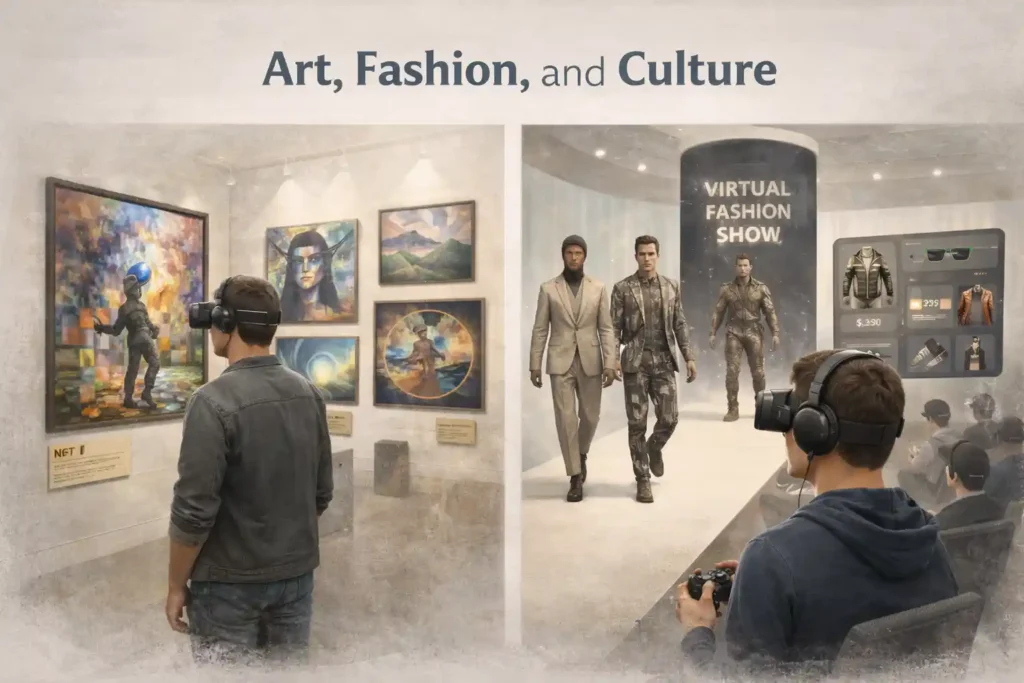
NFT art galleries are revolutionizing the way digital art is displayed and owned in the metaverse. Artists can create unique digital works, mint them as non-fungible tokens (NFTs), and showcase them in virtual galleries accessible to a global audience. Unlike traditional art, NFTs provide verifiable ownership on the blockchain, ensuring authenticity and scarcity. Visitors can explore these galleries using VR or standard devices, interact with the artworks, and even purchase pieces directly. NFT galleries empower artists to reach new markets, while collectors gain access to exclusive digital assets that hold real-world value. This shift is redefining the art world, making it more inclusive, interactive, and financially rewarding.
Virtual Fashion Shows
Virtual fashion shows offer brands an innovative way to present their collections in the metaverse. Designers can create digital clothing and accessories for avatars, allowing attendees to experience the latest trends in immersive 3D environments. These shows are not limited by physical space or geography, enabling a global audience to participate simultaneously. Some platforms allow users to purchase limited-edition virtual items during the event, bridging the gap between digital creativity and commerce. Virtual fashion shows also foster experimentation, letting designers explore bold, imaginative styles that may not be feasible in reality. By combining technology and culture, these events are shaping the future of fashion in the digital age.
Challenges of the Metaverse
Technical Challenges
Despite its promise, the metaverse faces several technical challenges. High-quality VR and AR experiences require advanced hardware and stable internet connections, which can be expensive and inaccessible for many users. Interoperability is another concern, as different metaverse platforms often use proprietary systems, limiting seamless movement between virtual worlds. Scalability is crucial for handling millions of simultaneous users without lag or crashes. Additionally, content creation tools are still evolving, making it difficult for newcomers to build complex environments or interactive experiences. Addressing these challenges is essential for creating a functional and inclusive metaverse that can reach mass adoption.
Privacy and Security Concerns
Privacy and security are major considerations in the metaverse. Users share personal information, digital wallets, and transaction histories, which can be vulnerable to cyberattacks or data misuse. The decentralized nature of blockchain reduces some risks, but scams, phishing, and counterfeit NFTs remain prevalent. Avatar identity theft and digital harassment are emerging social challenges that platforms must address. Clear regulations, secure authentication systems, and user education are critical to maintaining trust and safety. Balancing openness with robust security measures will be key to fostering a safe and engaging virtual environment.
FAQs
What devices are needed to access the Metaverse?
Accessing the metaverse can be done using VR headsets, AR devices, gaming consoles, or even standard computers and smartphones. VR and AR devices offer the most immersive experiences, while mobile and desktop access allow broader participation.
Is the Metaverse safe for kids?
Safety for children depends on platform controls and supervision. Some metaverse environments are designed for younger audiences, but exposure to unmoderated spaces, digital transactions, and online interactions requires guidance and parental oversight.
How do virtual property and NFTs work?
Virtual property is often represented as NFTs on the blockchain, giving users verifiable ownership of digital land or assets. NFTs are unique digital tokens that cannot be duplicated, allowing for buying, selling, or trading virtual items securely. This system ensures authenticity and enables monetization of virtual creations.
You might also like this: Tribupneu Review 2026
Conclusion
The metaverse is transforming art, fashion, and culture by offering immersive, interactive, and globally accessible experiences. NFT art galleries and virtual fashion shows enable artists and designers to showcase creativity while providing collectors and users with unique digital assets. Despite its potential, the metaverse faces technical and security challenges that must be addressed to ensure a safe and seamless experience for all participants. Understanding devices, earning opportunities, and the mechanics of virtual property helps users navigate this emerging digital world confidently. As technology advances and platforms mature, the metaverse promises to redefine creativity, commerce, and social interaction in ways previously unimaginable, bridging the gap between virtual and real-world experiences.