

Smart Home Essentials for Modern Living (2026 Guide)
Smart home essentials refer to connected devices that automate, control, and enhance daily household activities using the internet, sensors, and artificial intelligence. These devices communicate with each other through Wi-Fi or Bluetooth and can be managed remotely via smartphone apps or voice assistants.
Definition of Smart Home Technology
Smart home technology uses Internet of Things (IoT) devices to allow homeowners to control lighting, security, appliances, and climate systems from anywhere. Instead of manual operation, these systems rely on automation, schedules, and real-time data to respond intelligently to user needs.
How Smart Devices Improve Everyday Living
Smart devices simplify daily routines by reducing repetitive tasks. Lights can turn on automatically at sunset, thermostats adjust based on room occupancy, and voice assistants can manage reminders, music, or shopping lists. This level of automation saves time, reduces stress, and makes homes more responsive to lifestyle habits.
Difference Between Essentials vs Advanced Smart Home Setups
Smart home essentials focus on core functionality such as lighting, voice control, and basic security. Advanced setups include AI-driven automation, smart irrigation systems, whole-home energy management, and custom routines. Essentials are affordable, easy to install, and ideal for beginners, while advanced systems require higher investment and technical setup.
Benefits of Smart Home Living
Adopting smart home essentials brings noticeable improvements to everyday comfort, efficiency, and peace of mind.
Convenience and Automation
Smart homes automate daily tasks such as turning off lights, locking doors, or adjusting temperatures. With voice commands or mobile apps, users can control multiple devices instantly, making everyday living smoother and more efficient.
Energy Efficiency and Cost Savings
Smart thermostats, lighting systems, and plugs help reduce energy waste by operating only when needed. Real-time energy monitoring allows homeowners to identify power-hungry appliances, leading to lower electricity bills and more sustainable living.
Enhanced Security and Safety
Smart security devices provide instant alerts, live monitoring, and remote access. Whether it’s locking doors from afar or receiving notifications about unusual activity, smart home technology significantly improves household safety.
Comfort and Lifestyle Improvement
From personalized lighting scenes to voice-controlled entertainment, smart home essentials elevate lifestyle quality. Homes become more adaptive, comfortable, and aligned with individual preferences.
Must-Have Smart Home Devices for Every Home
Starting with the right smart home essentials ensures a smooth and cost-effective entry into home automation.
Smart Speakers and Voice Assistants
Smart speakers act as the control center of a smart home, allowing hands-free operation of connected devices.
Amazon Echo, Google Nest, Apple HomePod
These popular voice assistants support music streaming, smart device control, reminders, and real-time information. Each ecosystem offers unique features, making it easy to choose based on compatibility and personal preference.
Voice Control and Smart Hub Capabilities
Smart speakers function as hubs that connect and manage multiple devices. Users can control lighting, plugs, thermostats, and security systems using simple voice commands, creating a seamless automation experience.
Intelligent Lighting Systems
Intelligent lighting is one of the most practical and affordable smart home upgrades.
Smart Bulbs vs Smart Switches
Smart bulbs are easy to install and ideal for renters, offering color control and scheduling. Smart switches provide whole-room control and are better for permanent installations. Both options enhance energy efficiency and convenience.
Popular Brands and Use Cases
Common use cases include automated night lighting, mood scenes, and energy-saving schedules.
Smart Plugs and Power Strips
Smart plugs transform traditional appliances into smart devices without replacing them.
Energy Monitoring
Many smart plugs track real-time energy usage, helping users identify inefficient devices and reduce unnecessary power consumption.
Automation for Regular Appliances
Smart plugs allow automation of everyday items like coffee makers, fans, or lamps. Users can schedule operations, control devices remotely, and integrate them into smart routines.
Smart Home Essentials for Security and Safety
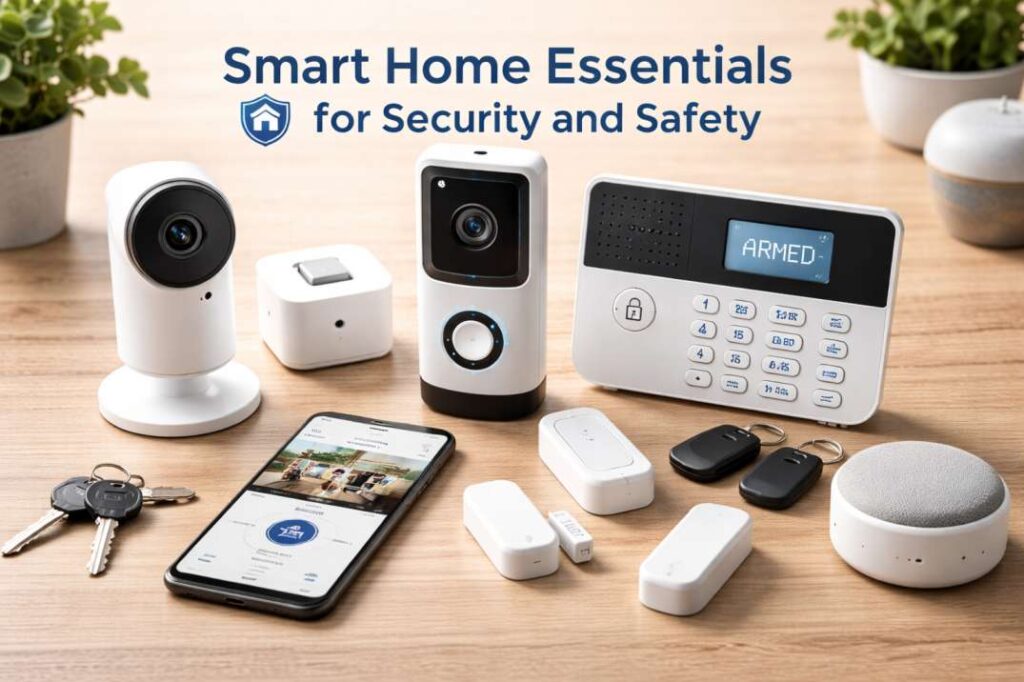
Security is a top priority for modern smart homes, and essential devices offer both protection and peace of mind.
Smart Door Locks
Smart locks replace traditional keys with digital access, enhancing convenience and security.
Keyless Entry Benefits
Users can unlock doors using smartphones, PIN codes, or biometric authentication. This eliminates the risk of lost keys and allows temporary access for guests or service providers.
Remote Access and Monitoring
Smart door locks enable homeowners to lock or unlock doors remotely and receive activity notifications. This ensures greater control and awareness, even when away from home.
Smart Climate and Energy Management Devices
Smart climate and energy management devices are essential for homeowners who want to maintain comfort while minimizing energy costs. These devices allow precise control over home environments, reducing waste and optimizing efficiency.
Smart Thermostats
Smart thermostats have become a cornerstone of modern smart homes.
Energy-Saving Features
These devices learn usage patterns and adjust heating or cooling accordingly. By maintaining optimal temperatures only when needed, smart thermostats can significantly lower utility bills. Features such as geofencing allow the thermostat to detect when homeowners leave or approach the house, automatically adjusting settings to save energy without sacrificing comfort.
Learning and Scheduling Capabilities
Advanced smart thermostats learn daily routines over time. They can create personalized schedules, adjusting temperatures for different times of day or week. This predictive functionality ensures a comfortable environment while reducing unnecessary energy use. Some models even provide energy usage reports, helping homeowners track and optimize their consumption.
Smart Air Quality Monitors
Indoor air quality has a direct impact on health and well-being, and smart monitors make it easy to maintain a safe environment.
Temperature, Humidity, and Pollution Tracking
Smart air quality monitors track temperature, humidity, and pollutants such as dust, VOCs, or CO₂ levels. Alerts notify homeowners when conditions require attention, and integration with smart HVAC systems allows automatic adjustments to maintain optimal air quality. This technology is especially valuable for families, allergy sufferers, and those living in urban environments with fluctuating air quality.
Home Essentials for Comfort and Lifestyle
Intelligent home devices designed for comfort and lifestyle improvements can transform everyday living into a more enjoyable experience.
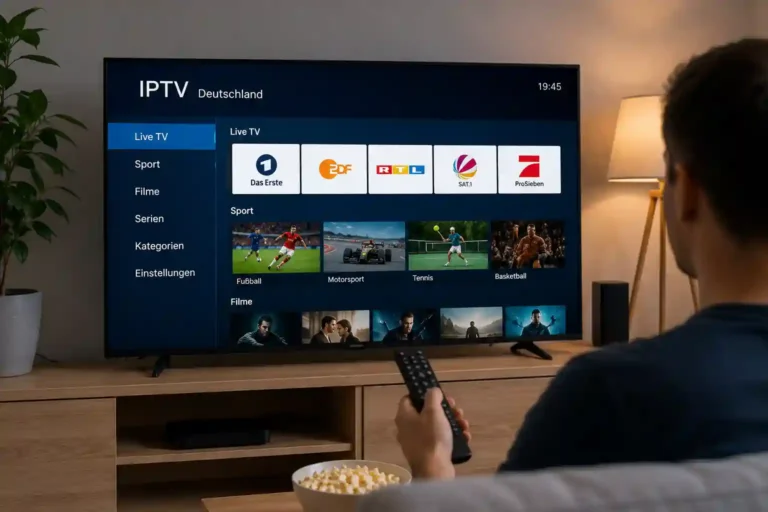
Smart TVs and Streaming Devices
Modern smart TVs and streaming devices do more than just deliver content; they integrate seamlessly with smart home ecosystems.
Integration with Voice Assistants
Smart TVs can connect with voice assistants like Amazon Alexa, Google Assistant, or Apple Siri. This allows users to control power, volume, and playback using simple voice commands, providing hands-free convenience.
Entertainment Automation
These devices support automation routines, such as dimming lights or adjusting sound settings when a movie starts. Personalized recommendations and multi-room streaming make entertainment more immersive, while easy integration with other smart devices ensures a cohesive smart home experience.
Smart Robot Vacuums
Robot vacuums offer convenience, efficiency, and improved cleanliness for modern households.
AI Mapping and Scheduling
Advanced models use AI and sensors to map your home, navigate obstacles, and optimize cleaning paths. Users can schedule cleanings based on their routines, ensuring a spotless home without manual effort.
Ideal for Busy Households
Robot vacuums are perfect for busy individuals and families. With app control and automated cleaning schedules, maintaining a clean living space becomes effortless, freeing up time for more enjoyable activities.
Smart Kitchen Essentials for Modern Homes
The kitchen is often the heart of the home, and smart devices here enhance efficiency, safety, and convenience.
Smart Refrigerators and Ovens
Smart refrigerators and ovens combine technology with practicality, transforming how we store and prepare food.
Food Management and Cooking Assistance
Smart refrigerators track food inventory, alerting users about expiration dates and suggesting recipes. Some models even offer touchscreen interfaces for meal planning or grocery lists. Ovens can preheat remotely, adjust cooking settings automatically, and provide step-by-step guidance, ensuring meals are cooked perfectly every time.
Coffee Makers and Appliances
Coffee makers and kitchen appliances make daily routines simpler and more enjoyable.
Automated Routines and Voice Control
Users can schedule coffee brewing or control appliances via voice commands or mobile apps. This allows seamless integration into morning routines and enhances overall kitchen efficiency. Smart appliances also support energy-saving modes, making them eco-friendly without sacrificing convenience.
Smart Home Ecosystems and Compatibility
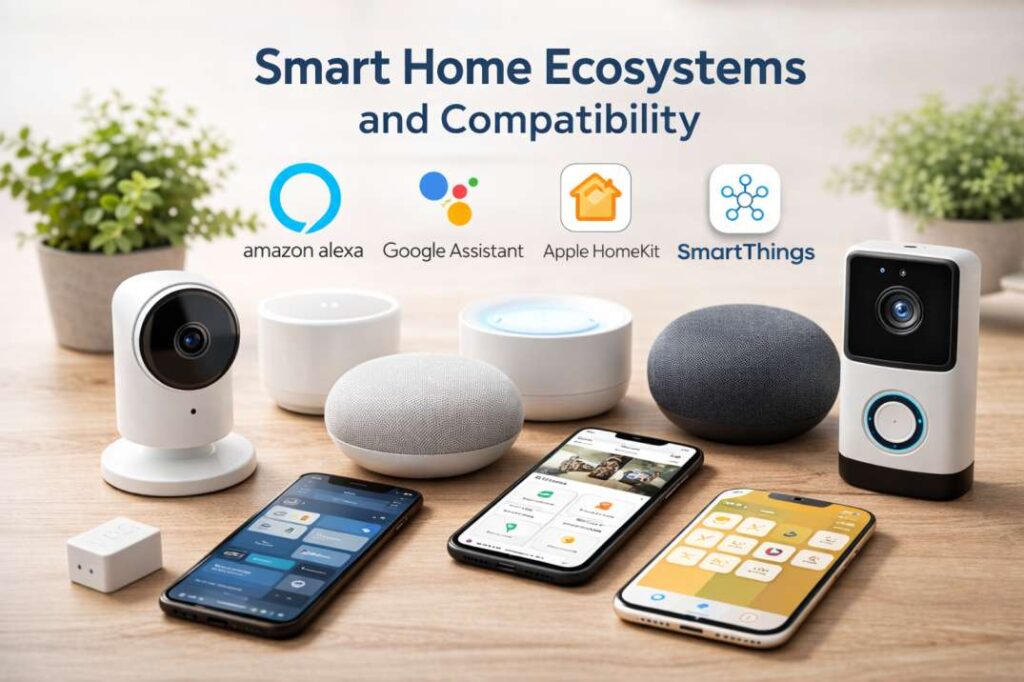
A unified smart home ecosystem ensures all devices work together seamlessly, maximizing convenience and functionality.
Google Home vs Amazon Alexa vs Apple HomeKit
Choosing the right ecosystem depends on user preference and device compatibility. Google Home excels in search and AI integration, Alexa supports a wide range of devices and routines, and Apple HomeKit focuses on privacy and iOS integration. Understanding each ecosystem’s strengths helps homeowners make informed decisions.
Device Compatibility and Integration
Ensuring compatibility between devices is crucial. Devices from different manufacturers often work better when tied to a single platform. Connecting smart lights, thermostats, and security cameras to one hub simplifies control and prevents frustration.
Importance of a Unified Ecosystem
A unified ecosystem allows centralized control, synchronized automation, and consistent performance. It ensures smart home devices work together, creating a smoother, smarter, and more convenient home environment.
How to Choose the Right Smart Home Essentials
Choosing the right smart home essentials can feel overwhelming due to the wide variety of devices available. However, focusing on key factors such as budget, home layout, and privacy can simplify the decision-making process.
Budget Considerations
Before investing in smart devices, establish a realistic budget. Essentials like smart speakers, lights, and plugs are relatively affordable, while advanced security systems, smart appliances, and automation hubs can be more costly. Prioritizing devices that offer maximum convenience and long-term value ensures that spending aligns with needs.
Home Size and Layout
The size and layout of your home determine the type and number of smart devices required. Large homes may need multiple Wi-Fi extenders, additional smart hubs, or more smart lighting units to ensure full coverage. Smaller apartments might benefit from compact devices that combine multiple functions. Planning according to your space ensures optimal performance and avoids unnecessary purchases.
Privacy and Data Security Concerns
Smart devices collect personal data to function efficiently, making security and privacy crucial considerations. Look for devices with robust encryption, frequent software updates, and customizable privacy settings. Choosing reputable brands and understanding the data policies helps protect your home network and personal information.
Installation and Setup Tips for Smart Home Devices
Proper installation is key to getting the most out of your smart home essentials. Whether you choose DIY or a professional setup, understanding network requirements and avoiding common mistakes ensures a smooth experience.
DIY vs Professional Installation
Many smart devices are designed for easy DIY installation, allowing homeowners to set up systems without technical expertise. However, professional installation is recommended for complex setups such as multi-zone security systems or integrated smart home ecosystems. Balancing cost and complexity helps determine the best approach.
Network and Wi-Fi Requirements
Reliable Wi-Fi is essential for connected devices. Ensure your network can handle multiple devices simultaneously and consider upgrading to mesh networks or routers designed for smart homes. Strong signals prevent connectivity issues and allow devices to respond quickly.
Common Setup Mistakes to Avoid
Avoid placing devices too far from the Wi-Fi router, neglecting firmware updates, or mixing incompatible devices. Reading manuals carefully and following setup guides prevents connectivity issues and ensures long-term reliability.
Smart Home Essentials for Renters vs Homeowners
Smart home technology can suit both renters and homeowners, but device selection and installation flexibility vary.
Portable Smart Devices for Renters
Renters often prefer portable devices that don’t require permanent installation. Smart plugs, bulbs, and voice assistants are ideal because they can be moved or removed without altering the property. These devices provide convenience and automation while respecting rental agreements.
Permanent Installations for Homeowners
Homeowners can invest in permanent devices such as smart thermostats, security cameras, and automated lighting systems. Permanent installations often offer more advanced features, improved performance, and increased property value. Homeowners can create fully integrated smart home ecosystems tailored to their lifestyle.
Future Trends in Smart Home Living
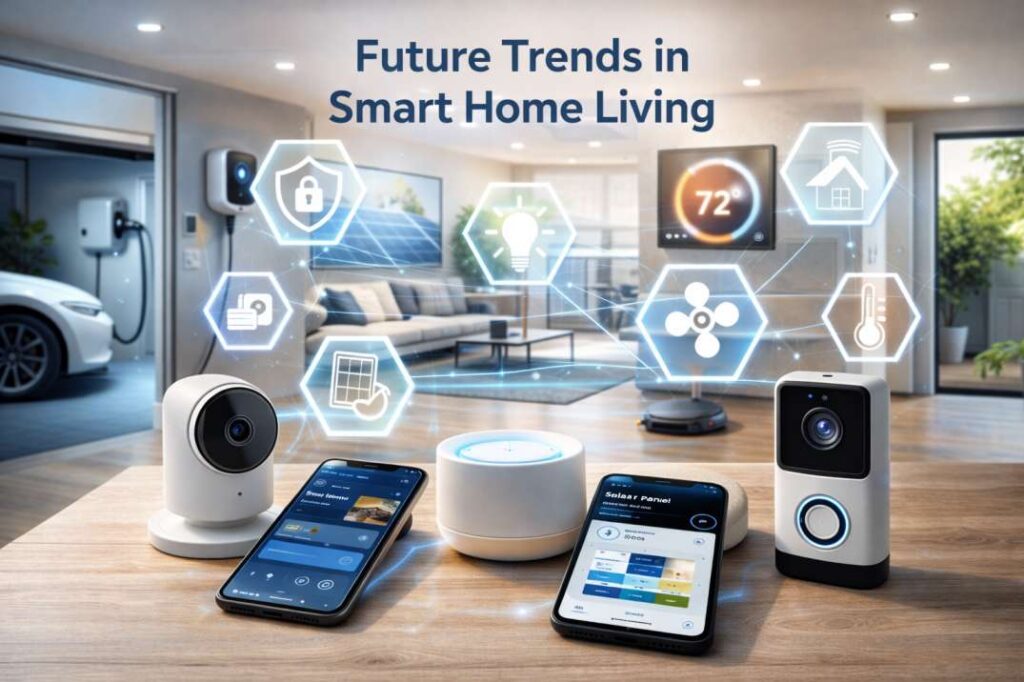
Smart home technology is evolving rapidly, with trends focusing on automation, interoperability, and sustainability.
AI-Powered Automation
Artificial intelligence enables smart homes to learn user behavior, predict needs, and adjust environments automatically. AI-driven systems can optimize energy use, recommend routines, and adapt lighting, temperature, and entertainment based on personal preferences.
Matter Protocol and Cross-Platform Compatibility
The Matter protocol aims to unify smart home devices across platforms, allowing seamless communication between Google Home, Amazon Alexa, Apple HomeKit, and other systems. This standard ensures that homeowners can mix and match devices without compatibility concerns.
Sustainable Smart Home Innovations
Sustainable innovations include energy-efficient devices, solar-powered sensors, and smart appliances that reduce waste. Eco-conscious designs not only lower utility bills but also contribute to greener living environments.
FAQs About Smart Home Essentials
Are smart home devices safe?
Yes, reputable smart devices are safe when configured properly. Prioritize secure Wi-Fi networks, enable device encryption, and keep firmware updated to protect against potential vulnerabilities.
Do smart homes increase property value?
Smart homes can increase property value by attracting tech-savvy buyers and showcasing energy efficiency, security, and convenience. Devices like smart thermostats, security systems, and automated lighting add modern appeal to any home.
Can smart homes work without an internet connection?
Some devices can operate locally without internet, such as smart lights controlled via Bluetooth or hubs. However, full functionality, remote control, and cloud-based automation typically require an internet connection.
Conclusion
Smart home essentials enhance convenience, security, comfort, and efficiency for modern living. Choosing the right devices involves balancing budget, home layout, and privacy considerations. Proper installation, whether DIY or professional, ensures reliable performance, while renters and homeowners can select devices tailored to their needs. With AI-driven automation, cross-platform compatibility, and sustainable innovations shaping the future, investing in smart home technology is a step toward smarter, more efficient, and enjoyable living. By understanding the essentials and planning carefully, anyone can create a connected home that meets both current needs and future trends.