
Choosing the Right Portable Two-Way Radio: A Practical Guide for Mexican Users
Portable two-way radios have quietly become one of the most reliable communication tools across Mexico, from construction sites in Monterrey to fishing cooperatives along the Pacific coast. Unlike cell phones, they don’t depend on network coverage, monthly plans, or battery-draining apps. They simply work, instantly, at the push of a button. Yet with dozens of models, frequency types, and certifications on the market, choosing the right handheld radio can feel overwhelming if you don’t know what to look for.
This guide breaks down the practical considerations that matter most when selecting a portable radio for personal, professional, or industrial use in Mexico, so you can make a decision based on real needs rather than marketing buzzwords.
Why Portable Radios Still Matter in a Smartphone World
It might seem counterintuitive that a technology often associated with construction crews and security guards remains relevant in an era of instant messaging and 5G networks. But portable radios solve problems that phones simply can’t.
First, there’s reliability. During natural events like hurricanes on the Yucatán Peninsula or earthquakes in central Mexico, cellular networks often become overloaded or fail entirely. Two-way radios operate independently of cell towers, using either license-free frequencies or dedicated business channels, which means teams can stay connected when it matters most.
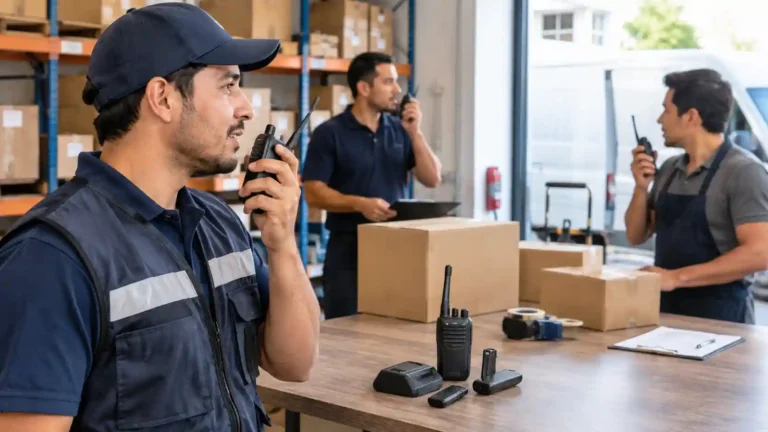
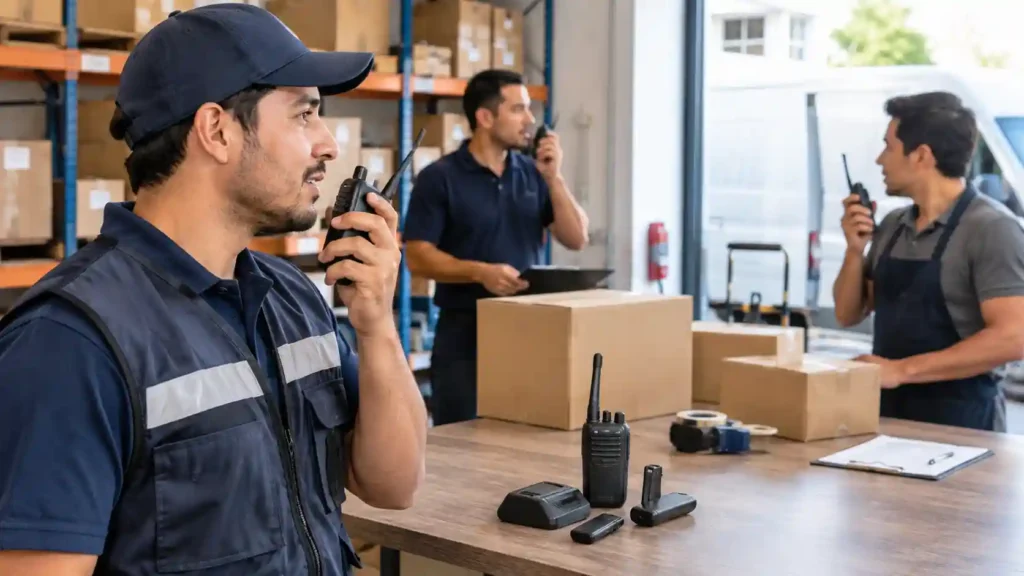
Second, radios offer instant, one-to-many communication. A supervisor coordinating a warehouse team doesn’t need to dial multiple numbers or wait for someone to answer a call pressing the push-to-talk button reaches everyone on the channel simultaneously. This is invaluable in event security, hospitality, retail, and logistics operations where seconds matter. Buyers exploring their options for the first time often start by browsing a catalog like RadioRed, which groups portable models by brand and use case, making it easier to compare specifications before narrowing down a choice.
Third, there’s cost efficiency. Once you own the equipment, there are no monthly service fees for basic radio-to-radio communication, unlike cellular plans that add up across a large team.
Key Factors to Consider Before Buying
1. Range and Coverage Area
Range is usually the first question buyers ask, but it’s also the most misunderstood. Manufacturers often advertise maximum range under ideal conditions flat, open terrain with no obstructions which rarely reflects real-world use. In practice, a radio rated for 30 kilometers might only reach 2–3 kilometers in a dense urban environment or inside a multi-story building with concrete walls.
If you’re buying radios for warehouse or office use, prioritize models designed for indoor performance rather than maximum advertised range. For outdoor applications like ranches, construction sites, or event coordination across open fields, higher-powered UHF or VHF radios will perform better.
2. UHF vs. VHF: Which One Do You Need?
This is one of the most common points of confusion for first-time buyers. Both are radio frequency bands, but they behave differently depending on the environment:
- VHF (Very High Frequency) works best outdoors, over open terrain, water, or hilly areas with fewer obstructions. It’s commonly used in agriculture, marine settings, and rural properties.
- UHF (Ultra High Frequency) penetrates walls, buildings, and dense urban environments more effectively, making it the better choice for warehouses, offices, hotels, retail stores, and construction sites with multiple structures.
If your team operates primarily indoors or in a city setting, UHF is almost always the safer choice. If you’re covering large outdoor distances with minimal obstacles, VHF tends to perform better.
3. Battery Life and Duty Cycle
Battery performance is often overlooked until it becomes a problem mid-shift. Consider how many hours per day the radio will realistically be in use, and whether it will be transmitting frequently (like a dispatcher) or mostly listening (like a field technician). Radios used in continuous, high-transmission environments such as security operations need higher-capacity batteries or a system for swapping batteries during long shifts.
It’s also worth checking whether the radio supports both rechargeable battery packs and standard AA batteries as backup, which can be a practical advantage during extended field operations, power outages, or remote locations where charging isn’t always available.
4. Durability and Environmental Ratings
Mexico’s diverse climate from humid coastal regions to dusty industrial zones and cold mountain areas means durability specifications matter more than they might in a controlled office environment. Look for radios with an IP rating (Ingress Protection) that indicates resistance to dust and water. An IP54 or IP55 rating is generally sufficient for outdoor work, while IP67 or higher is recommended for radios that might be submerged briefly, such as in marine or heavy rain conditions.
Matching durability to the environment prevents premature equipment failure and reduces long-term replacement costs, especially for teams working outdoors year-round.
5. Number of Channels and Privacy Codes
Basic radios typically offer a limited number of channels, which is fine for small teams. Larger operations, however, benefit from radios supporting more channels along with privacy codes (CTCSS or DCS tones). These codes don’t encrypt communication, but they filter out interference from other users on the same frequency, reducing the chance of overhearing unrelated conversations or having your channel accidentally used by someone else nearby.
For businesses operating in shared buildings, malls, or industrial parks where multiple companies might use radios simultaneously, this feature significantly reduces confusion and crosstalk.
Matching the Radio to the Industry
Different sectors have distinct communication demands, and understanding these can narrow down your options considerably.
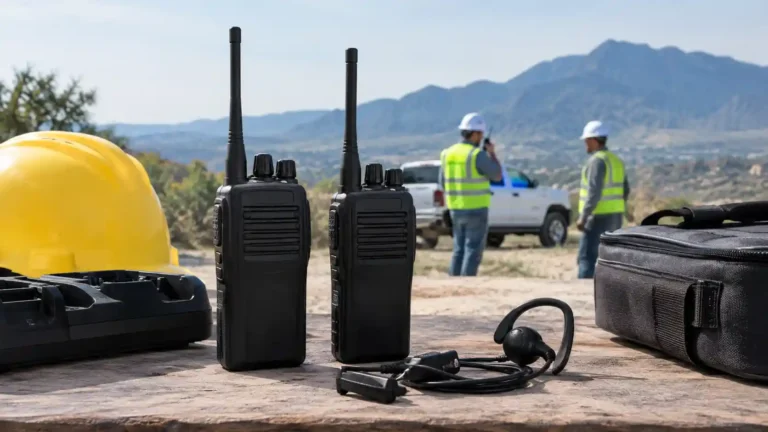
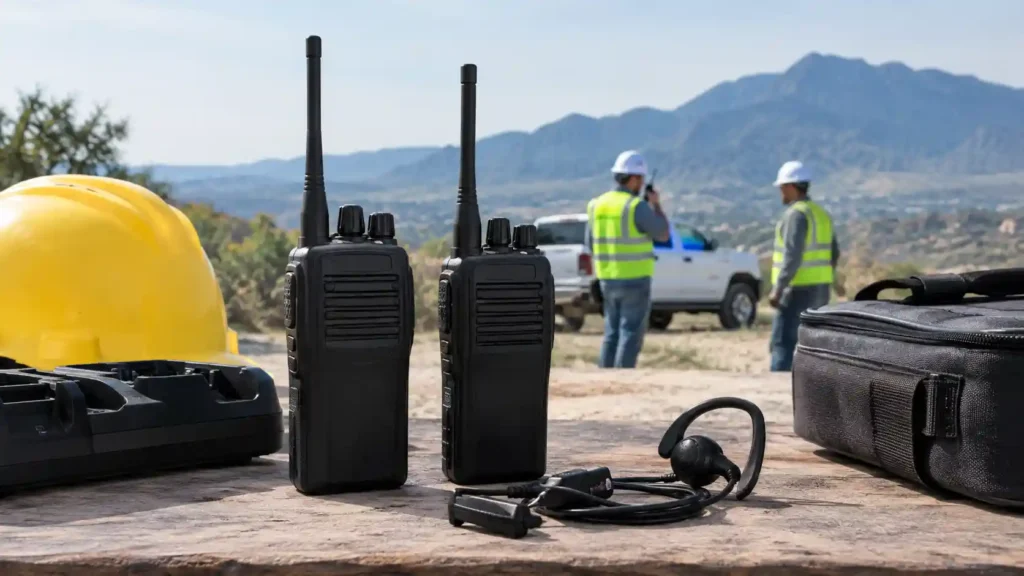
Construction and industrial sites typically need rugged, UHF radios with long battery life, dust and water resistance, and the ability to handle drops. Noise-canceling microphones are particularly useful given the ambient equipment noise on most job sites.
Hospitality and retail environments prioritize discreet, lightweight radios, often paired with earpieces, since visible bulky equipment can feel out of place in a hotel lobby or retail floor. Battery life across an eight-to-twelve-hour shift is essential here.
Agricultural and ranch operations generally favor VHF radios for their superior open-terrain performance, along with weather resistance for prolonged outdoor exposure.
Marine use requires radios specifically designed and certified for maritime communication, often with floating capability and waterproof housings, since standard land-based radios aren’t built to handle saltwater exposure or submersion.
Security and event coordination benefit from radios with quick channel switching, emergency alert functions, and compatibility with covert earpieces for professional, low-profile communication.
Understanding Licensing Requirements in Mexico
One detail that surprises many first-time buyers is that not all radio frequencies are free to use without authorization. In Mexico, the Instituto Federal de Telecomunicaciones (IFT) regulates radio spectrum use, and certain frequency bands require registration or a concession, particularly for business and industrial use at higher power levels.
License-free radios (often in the FRS or similar low-power category) are legal for personal and light business use without additional paperwork, but they typically have lower power output and shorter range. Businesses requiring more powerful, longer-range communication should verify whether their intended frequency and power level requires IFT registration, since operating unlicensed equipment on restricted frequencies can result in interference issues or regulatory complications.
Repeaters: Extending Your Radio’s Reach
For organizations that need to cover larger areas than a standard handheld radio allows such as multi-building campuses, large construction sites, or properties spanning several kilometers a repeater system can dramatically extend coverage. A repeater receives a signal on one frequency and retransmits it at higher power, effectively bridging communication gaps caused by distance or physical obstructions like hills and buildings.
Repeaters are particularly valuable in mountainous or hilly regions common throughout much of Mexico’s interior, where line-of-sight communication between handheld units alone would otherwise be severely limited.
Accessories That Improve Daily Use
The radio itself is only part of the equation. The right accessories often make the difference between a tool that gets used consistently and one that ends up sitting in a drawer.
- Earpieces and lapel microphones allow discreet communication and are essential for security, hospitality, and retail staff.
- Multi-unit charging docks save time for teams managing ten or more radios, avoiding the hassle of charging each unit individually.
- Carrying cases and belt clips improve durability and ease of access during physical work.
- Extended or spare batteries ensure continuous operation across long shifts without interruption.
Investing a little more in quality accessories often extends the usable lifespan of the radios themselves, since proper cases and clips reduce accidental drops and physical damage.
Final Thoughts
Selecting the right portable radio comes down to matching the equipment to your actual working environment rather than chasing the highest advertised specifications. Consider where the radios will be used most indoors or outdoors, urban or rural, humid coastal air or dusty industrial floors and let that guide your decision on frequency band, durability rating, and battery capacity.
Whether you’re outfitting a small retail team, coordinating a construction crew, or setting up communication for a marine operation, taking the time to understand these fundamentals will help you avoid buying equipment that underperforms in the field. A well-matched radio system, paired with the right accessories, pays for itself many times over in improved coordination, safety, and day-to-day efficiency.