
Wood, Aluminum, or Living Fences: Choosing the Right One for a Charleston Tri-County Home
A fence marks where your property ends, but it does a lot more than that. It keeps kids and dogs in the yard, screens off a nosy view, and shapes how your house looks from the street. In the Lowcountry, it also has to put up with salt air, heavy humidity, afternoon downpours, and the occasional hurricane season. Picking the right type matters almost as much as hiring someone to build it well.
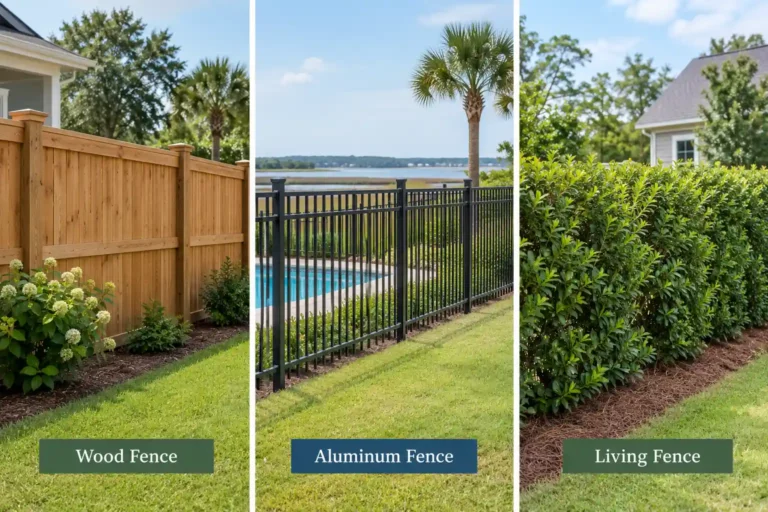
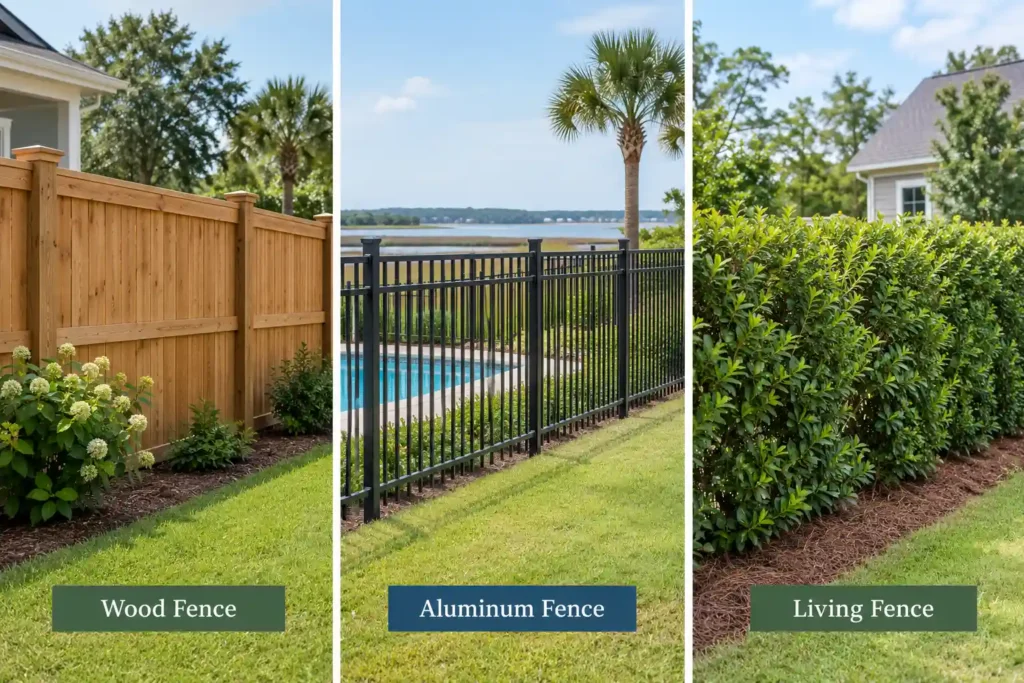
Homeowners in Charleston, Mount Pleasant, Summerville, and nearby towns usually end up weighing the same three options: wood, powder-coated aluminum, and living fences made of plants. Each one has real strengths and real drawbacks. Here is how they compare, so you can match a fence to your yard, your budget, and the amount of upkeep you can live with.
Start With What the Fence Needs to Do
Before you look at materials, decide what job the fence has to do. A fence around a backyard pool has very different requirements from one meant to hide a neighbor’s driveway or keep a beagle from wandering. Do you want full privacy or just a clear boundary? Is safety the main concern? Do you want it to disappear into the landscape, or to stand out as a feature? Your answers will cut the list down fast, and a local installer like FenceCraft can help you test those priorities against the conditions your particular lot presents.
Check the rules early, too. Many municipalities and neighborhoods in the Tri-County area set limits on fence height, placement, and materials, and homeowners’ associations often add their own. Finding out before you buy is much cheaper than finding out after the posts are in the ground.
Wood Fences: Classic Looks and Real Privacy
Wood is still the fence most people picture, and it suits just about any home, from an old single house downtown to a newer subdivision in Summerville.
Privacy is its biggest selling point. Solid-board and shadowbox styles screen a yard very well, so if you want a secluded spot for evening cookouts, a six-foot privacy fence is hard to beat. Wood is also easy to customize. You can stain it, paint it, add a lattice top, run the boards horizontally, or go with a traditional picket. It is often one of the cheaper options up front, which helps on a large lot where the footage adds up quickly. And when a board gets damaged, you can usually swap out that one piece instead of replacing a whole section.
The catch is that wood is a natural material, and the Lowcountry is rough on it. Humidity invites mildew and rot, moisture at ground level wears on the posts, and termites are a legitimate concern in this part of the state. Pressure-treated lumber, good fasteners, and properly set posts all make a difference. So does a little maintenance: an occasional cleaning and a fresh coat of stain or sealant every few years will extend a fence’s life considerably. If you don’t mind a weekend project now and then, that is easy enough. If you would rather not think about your fence once it’s built, another material may suit you better.
Aluminum Fences: Elegant and Easy to Live With
Aluminum has become a popular pick for people who like a polished look but don’t want a long to-do list. Its ornamental styling recalls the wrought iron you see all over Charleston, without iron’s tendency to rust.
That rust resistance is the main draw. Aluminum doesn’t rust, and a good powder-coat finish holds up well against the moisture and salt air of coastal South Carolina, which makes it a sensible choice near marshes, creeks, and the shore. Upkeep is minimal. A rinse with the garden hose now and then is usually enough, with no staining, sealing, or repainting.
Many aluminum styles also have narrow picket spacing, which works well around pools and for containing small children and pets. Just confirm that the specific style you like meets local pool barrier requirements before you commit. And because the design is open, it defines your boundary without blocking the view. If your lot backs onto water, a golf course, or a stretch of green space, you keep that scenery.
The trade-offs are straightforward. Aluminum gives you no privacy on its own, so if you want screening you will need landscaping or a different material for part of the property. It is also lighter than steel or iron, which makes it a better fit for decorative and safety uses than for serious security. The initial price is typically higher than basic wood, though lower maintenance can make up some of that difference over the years.
Living Fences: A Boundary That Grows
A living fence uses hedges, shrubs, or dense plantings to mark the edge of your property. It is the least conventional of the three, and it appeals to people who want the yard to feel like part of the landscape rather than something walled off from it.
The upsides are easy to see. Plants give birds and pollinators somewhere to live, soften noise a little, and take the edge off the hard lines of a driveway or a house wall. Evergreen shrubs can form a thick green screen that feels gentler than a wall of boards, and the region’s long growing season helps many plants fill in well. Flowering shrubs and varied foliage add color through the year, which a manufactured fence can’t do.
Living fences do ask for patience, though. They take time to fill in, need regular watering and pruning while they’re young, and only work if the plants suit local conditions, including heat, humidity, and in some spots a little salt exposure. They also lack the instant structure of a built fence. If you need to contain a dog right away, or you have a pool that requires a barrier, a hedge alone won’t do the job.
Plenty of homeowners get around this by combining the two. An aluminum fence provides a secure boundary from day one while a hedge planted alongside it grows in for privacy and greenery. After a few seasons you have the safety of metal and the look of a garden.
Matching the Fence to Your Priorities
Instead of crowning a winner, it is more useful to ask which option fits what you care about most.
- Privacy: Wood is the most direct answer. Dense evergreen hedges can get you there too, given time.
- Low maintenance: Aluminum is the clear front-runner.
- A natural, garden-style edge: A living fence delivers, provided you are willing to look after it.
- Immediate safety near a pool or play area: Aluminum or a well-built wood fence is usually the better choice, with plantings added later to soften things.
- A tight budget: Wood often has the lowest entry cost, though it’s worth factoring in the upkeep.
Details That Matter Beyond the Material
The material is only part of the picture. A few other things will shape how your fence performs over the long run.
Installation quality is the big one. Even the best material will fail if the posts are set badly. Proper depth, solid footings, and correct spacing help a fence resist leaning, shifting soil, and storm winds, and that counts for even more in the Lowcountry, where the ground can be soft and the water table high.
Gates deserve attention as well, since they take the most daily abuse. Sturdy hinges and reliable latches make a big difference, and so does sizing the opening for what actually has to pass through it, whether that’s a lawn mower or a golf cart.
Terrain and drainage matter too. A fence that works fine on level ground may need to be stepped or racked on a slope, and low spots that collect water call for their own approach.
Finally, think about looks. Consider how the fence will sit alongside your home’s architecture, your trees, and your flower beds. A fence that suits the house tends to make the whole property feel more finished. No one can promise a specific return on a fence, but one that is attractive, durable, and appropriate for the neighborhood is generally a point in a home’s favor when it’s time to sell.
You Don’t Have to Pick Just One
Nothing says the whole property needs the same fence. Some of the best-looking and most practical setups mix materials. You might run a wood privacy fence along the back and sides, with an aluminum fence across the front to show off the house. You could use aluminum around the pool for safety and visibility and wood or hedges elsewhere for screening. Or you could build a standard fence along the boundary and plant a hedge just inside it, so the greenery is protected while it matures.
Mixing materials lets you spend where it counts: durable, low-maintenance material in the spots people see or where safety is critical, and cheaper or more natural options elsewhere.
Planning the Project
A little preparation saves headaches. Measure the area you want to enclose and sketch where the gates should go. Look into underground utilities, easements, and any questions about where your property line actually falls, and read through neighborhood or HOA guidelines. Collect a few photos of fence styles you like, because showing a contractor an example is far easier than describing one.
When you request quotes, ask what’s included: materials, post depth, gates, permits, and utility checks, along with the expected timeline. Comparing like-for-like estimates will tell you much more than comparing the bottom-line number alone.
The Bottom Line
No single fence is right for every home in the Charleston Tri-County area. Wood gives you classic privacy and plenty of design freedom. Aluminum offers lasting good looks with almost no upkeep. Living fences bring natural beauty and some environmental benefits to those willing to put in the time. Which one is best comes down to what you want the fence to do, how much maintenance you’re comfortable with, and the particular conditions of your lot.
Take your time, weigh the trade-offs honestly, and choose a design and installation approach you’ll still be happy with in ten years. A well-planned fence protects what matters to you and makes your outdoor space easier to enjoy.