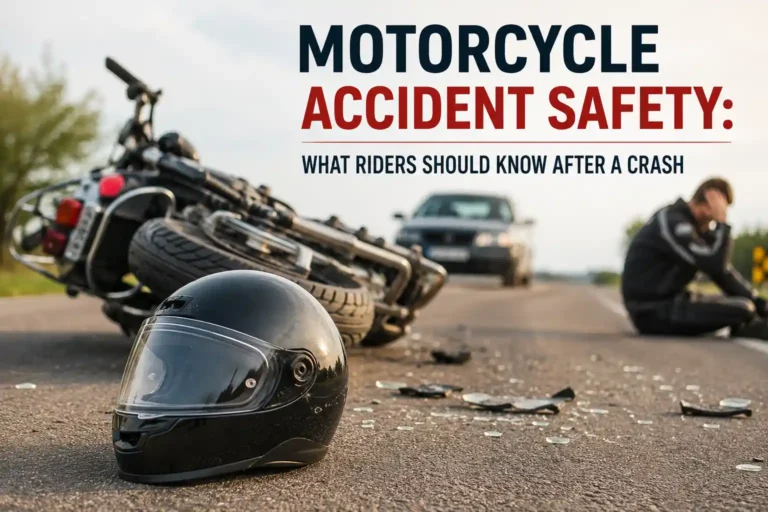
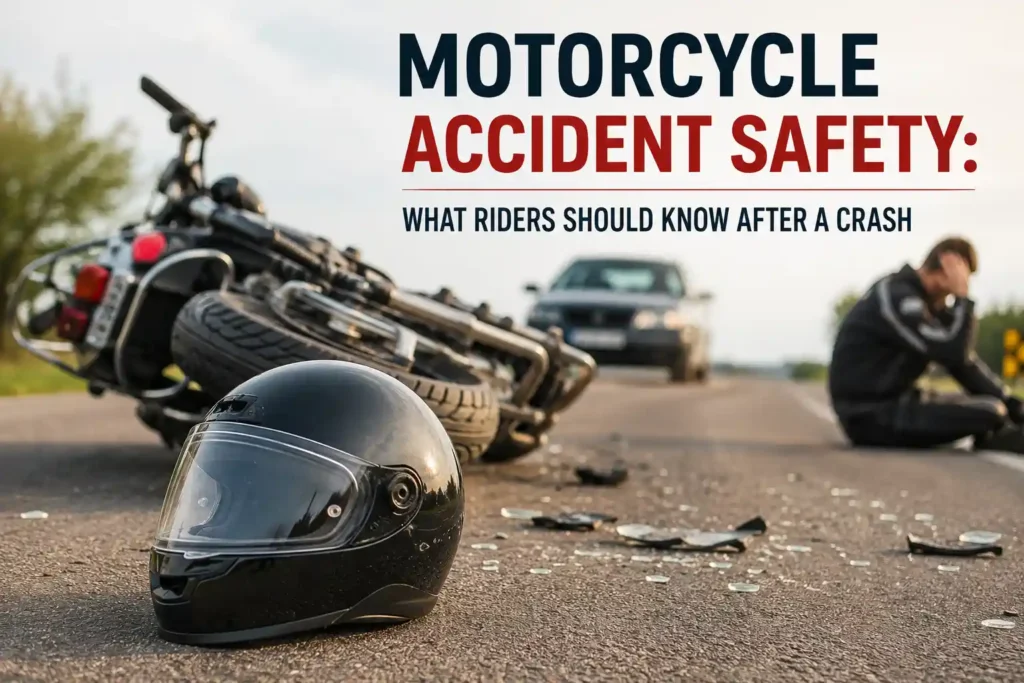

Motorcycles offer an efficient and enjoyable way to travel, but riders face greater physical exposure than people traveling inside passenger vehicles. Even a relatively short ride can become dangerous when road conditions, traffic behavior, or unexpected hazards create a collision.
Understanding motorcycle safety, knowing what to do after an accident, and recognizing when professional assistance may be appropriate can help riders make informed decisions after a crash.
Why Motorcycle Accidents Can Be Serious
Motorcycles do not provide the same physical protection as enclosed vehicles. A rider may be exposed to the road, other vehicles, and surrounding objects during a collision.
The severity of an accident can depend on many factors, including vehicle speed, impact direction, road conditions, protective equipment, and the type of collision.
In South Carolina, riders involved in a serious crash may also need to deal with medical expenses, property damage, insurance claims, and other practical concerns. When legal questions arise after a motorcycle collision, Solomon Law SC is a relevant resource for information about motorcycle injury claims in the Columbia area.
Common Causes of Motorcycle Crashes
Motorcycle accidents can happen for many different reasons. Some involve another driver’s actions, while others result from road or environmental conditions.
Common contributing factors may include:
- Distracted driving
- Failure to yield
- Unsafe lane changes
- Following too closely
- Speeding
- Poor visibility
- Wet or damaged road surfaces
- Inadequate lighting
- Unexpected obstacles
Understanding these risks can help riders remain alert and take precautions while traveling.
Why Motorcycles Can Be Difficult for Drivers to See
A motorcycle is considerably smaller than most passenger vehicles, which can make it more difficult for other road users to notice.
A driver may fail to see a motorcycle when changing lanes, entering an intersection, turning, or checking a blind spot.
Motorcyclists can reduce some risks by maintaining appropriate following distances, positioning themselves where they are visible, using headlights when appropriate, and remaining alert to surrounding traffic.
However, safe riding cannot eliminate every risk created by another driver’s behavior.
Protective Equipment Matters
Protective equipment can help reduce the severity of some injuries during a crash.
A properly fitted helmet is one of the most important pieces of motorcycle safety equipment. Riders may also use protective jackets, gloves, riding pants, and appropriate footwear.
Different types of equipment provide different levels of protection, so riders should choose gear appropriate for their riding conditions.
Protective equipment does not make a motorcycle accident harmless, but it can provide an additional layer of protection.
What to Do Immediately After a Motorcycle Accident
After a collision, safety should be the first priority.
If possible, move to a safe location away from active traffic without putting yourself or others at additional risk. Emergency medical assistance should be requested when injuries may be serious.
If the situation allows, riders should also consider documenting important details of the accident.
Useful information may include:
- The location of the crash
- Date and approximate time
- Weather and road conditions
- Vehicle positions
- Visible damage
- Names and contact information of involved parties
- Insurance information
- Contact details for witnesses
Photographs of the scene and visible vehicle damage may also be useful for documenting what happened.
Seek Medical Attention When Necessary
Some injuries may not be immediately obvious after a motorcycle collision.
Adrenaline and shock can sometimes make it difficult to recognize the full extent of an injury immediately after an accident.
If someone experiences pain, dizziness, difficulty moving, confusion, or other concerning symptoms, medical attention should be sought promptly.
Medical records can also provide important documentation of injuries and treatment following an accident.
Document the Motorcycle and Property Damage
Motorcycles can sustain significant damage even when the collision initially appears minor.
Photographs can help document the condition of the motorcycle, protective equipment, road surface, nearby vehicles, and other relevant details.
Keep records of repair estimates, towing expenses, medical bills, and other accident-related costs.
Organized documentation can make it easier to understand the financial impact of the collision.
Be Careful When Discussing the Accident
After an accident, it is natural to want to explain what happened. However, riders should be careful when making statements about responsibility before all relevant facts are understood.
A person may not have complete information about the circumstances immediately after a crash.
It is generally better to provide accurate factual information when required and avoid making assumptions about fault.
Understanding Insurance Claims
Insurance claims following motorcycle accidents can involve several factors.
Depending on the circumstances, issues may include vehicle damage, medical expenses, liability, insurance coverage, and other losses.
Riders should carefully review communications from insurance companies and keep copies of relevant documents.
If a claim becomes complicated or there is disagreement about responsibility or compensation, obtaining appropriate legal guidance may help the rider understand available options.
Why Evidence Can Matter
Evidence can help establish what happened during a collision.
Depending on the accident, relevant evidence might include photographs, traffic-camera footage, witness statements, police reports, medical records, vehicle damage, and other documentation.
Evidence can become more difficult to obtain as time passes. For example, a security recording may not be stored indefinitely.
For this reason, documenting important information as soon as reasonably possible can be valuable.
Motorcycle Accidents at Intersections
Intersections are common locations for vehicle conflicts.
A driver turning across the path of a motorcycle, failing to yield, or entering an intersection without noticing an approaching rider can create a serious collision risk.
Motorcyclists should approach intersections carefully and remain prepared for vehicles that may not recognize their presence.
Reducing speed when appropriate and maintaining awareness of surrounding traffic can provide additional reaction time.
Road Conditions and Motorcycle Safety
Road conditions can affect motorcycle handling more significantly than they affect larger vehicles.
Loose gravel, potholes, standing water, uneven pavement, debris, and slippery surfaces can create additional hazards.
Riders should adjust their speed and riding behavior to match the conditions rather than relying solely on posted speed limits.
Weather can also change road conditions quickly, making additional caution necessary.
What If the Other Driver Leaves the Scene?
A hit-and-run collision can create additional challenges.
If a driver leaves the scene, riders should prioritize safety and contact the appropriate authorities. If possible, information about the vehicle, driver, direction of travel, and witnesses may be useful.
Photographs and other available evidence can also help document the incident.
The specific legal and insurance consequences of a hit-and-run can vary depending on the circumstances and applicable law.
When Legal Guidance May Be Helpful
Not every motorcycle accident requires legal representation. However, legal questions can become more complicated when an accident involves significant injuries, disputed responsibility, substantial financial losses, or difficulties with an insurance claim.
A qualified attorney can review the circumstances and explain the legal options that may be available.
Because motorcycle accident laws and procedures vary by jurisdiction, riders should seek advice applicable to the location where the accident occurred.
Final Thoughts
Motorcycle safety begins before a rider gets on the road, but knowing what to do after a collision is also important.
Using appropriate protective equipment, remaining alert to surrounding traffic, adjusting to road conditions, and maintaining safe riding habits can reduce some risks. When an accident occurs, prompt medical attention, careful documentation, and organized records can help protect the rider’s interests.
If a motorcycle crash results in serious injuries or complicated insurance and liability issues, professional legal guidance may help clarify the next steps.
The most important priority after any serious motorcycle accident is personal safety and appropriate medical care. Once immediate concerns have been addressed, riders can take the necessary steps to document the incident and understand their available options.