
Why You Snore and What Actually Works to Stop It
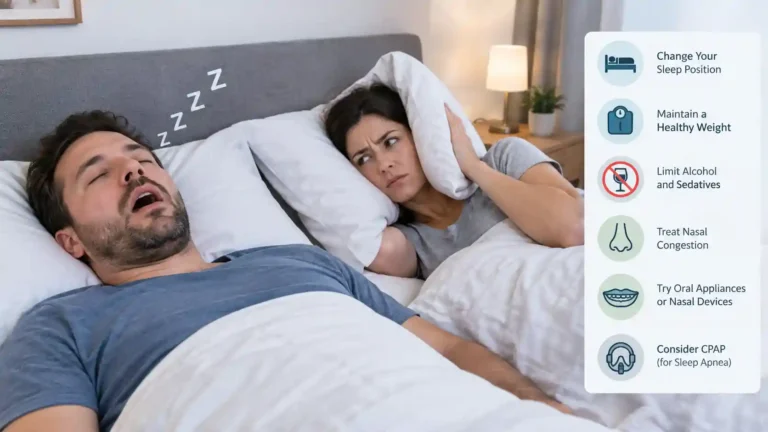
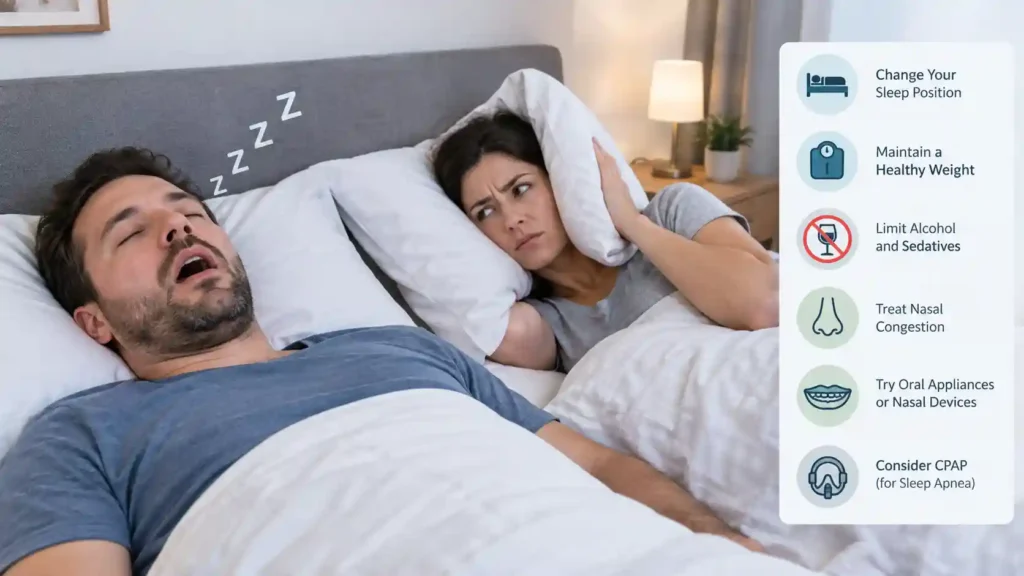
Snoring has a way of becoming a household issue long before it becomes a personal one. The snorer often sleeps right through it, while a partner lies awake listening to a sound that ranges from a soft rumble to something closer to a chainsaw. If this sounds familiar, you’re far from alone. Snoring affects a huge portion of adults at some point, and it tends to get worse with age, weight gain, alcohol use, and certain sleep positions.
The good news is that snoring is rarely a mystery once you understand the mechanics behind it. And in most cases, it’s manageable with the right combination of habits, tools, and when needed professional guidance.
What Actually Causes Snoring
Snoring happens when air can’t move freely through your nose and throat during sleep. As you drift into deeper sleep stages, the muscles in your throat relax. If the tissues around your airway are narrow, floppy, or partially obstructed, the passing air causes them to vibrate. That vibration is the sound you hear.
Several factors make this narrowing more likely:
- Anatomy a naturally narrow airway, enlarged tonsils, or a deviated septum
- Weight extra tissue around the neck can compress the airway
- Sleep position sleeping on your back allows the tongue to fall backward, partially blocking airflow
- Alcohol and sedatives these relax throat muscles more than usual
- Nasal congestion allergies or colds force mouth breathing, which increases vibration
- Age throat muscle tone naturally decreases over time
For many people, snoring is simply mechanical and positional nothing more serious than tissue vibrating in a relaxed airway. For others, though, snoring is a symptom of something more significant, like obstructive sleep apnea (OSA), where breathing actually stops and starts repeatedly during the night. That distinction matters, because the right treatment depends heavily on the underlying cause.
Anyone trying to get a clearer picture of their options, from lifestyle changes to oral appliances, will find a genuinely useful breakdown in this Snorple, Guide to stop snoring, which walks through the most common causes and treatments in more depth than most general health articles cover. It’s a helpful starting point if you’re not yet sure whether your snoring is a minor annoyance or something worth discussing with a doctor.
When Snoring Is More Than Just Noise
Simple snoring is generally harmless to the snorer, even if it’s disruptive to whoever shares the bed. But there are warning signs that point toward sleep apnea or another medical issue, including:
- Gasping or choking sounds during sleep
- Long pauses in breathing witnessed by a partner
- Waking up with a dry mouth or sore throat
- Morning headaches
- Excessive daytime sleepiness despite a full night’s sleep
- Difficulty concentrating or irritability during the day
- High blood pressure with no other clear cause
If any of these sound familiar, it’s worth talking to a doctor before trying to fix the snoring on your own. Sleep apnea is a legitimate medical condition linked to cardiovascular strain, and it typically requires a sleep study for an accurate diagnosis. Self-treating loud, apnea-like snoring with an over-the-counter device without medical input can mean missing a condition that needs closer monitoring.
For everyone else whose snoring is primarily positional, occasional, or related to lifestyle factors there’s a wide range of effective, non-invasive options worth trying first.
Lifestyle Changes That Reduce Snoring
Before reaching for a device, it’s worth ruling out some of the simplest fixes, since they cost nothing and often make a noticeable difference on their own.
Sleep on Your Side
Back sleeping is one of the most common snoring triggers because gravity pulls the tongue and soft tissues backward into the airway. Training yourself to sleep on your side sometimes with the help of a body pillow or a shirt with a tennis ball sewn into the back can reduce or eliminate snoring for people whose main issue is positional.
Manage Your Weight
Carrying extra weight around the neck and throat increases the amount of soft tissue that can obstruct airflow. Even modest weight loss has been shown to ease snoring severity for many people, particularly those whose snoring developed alongside weight gain.
Cut Back on Alcohol and Sedatives Before Bed
Alcohol relaxes throat muscles more than natural sleep does, which is why snoring often gets noticeably worse after drinking. Avoiding alcohol for a few hours before bed, and being cautious with sedating medications, can meaningfully reduce nighttime snoring.
Treat Nasal Congestion
If allergies, a cold, or chronic sinus issues are forcing you to breathe through your mouth, that alone can cause snoring. Saline rinses, allergy medication, or a humidifier in dry climates can open up nasal passages and make it easier to breathe through your nose during sleep.
Establish a Consistent Sleep Schedule
Irregular sleep and overtiredness can cause deeper muscle relaxation than normal, which increases the odds of snoring. A steady sleep schedule that allows for adequate rest helps keep throat muscle tone more stable overnight.
Oral Appliances and Anti-Snoring Devices
When lifestyle changes aren’t enough on their own, oral appliances are one of the most researched and widely used non-surgical solutions. There are two main types:
Mandibular advancement devices (MADs) gently reposition the lower jaw slightly forward during sleep. This forward movement pulls the base of the tongue away from the back of the throat, opening up the airway and reducing the vibration that causes snoring. These devices are custom-fitted or boil-and-bite, and many are designed to be adjusted incrementally so wearers can find the most comfortable and effective jaw position.
Tongue-stabilizing devices (TSDs) work differently: instead of moving the jaw, they hold the tongue slightly forward using gentle suction, preventing it from falling back into the airway. These can be a good option for people who find jaw-repositioning devices uncomfortable or who have certain dental limitations.
Both types have research support for reducing snoring frequency and intensity in people with primary snoring or mild-to-moderate sleep apnea, though appliances for apnea should ideally be fitted with guidance from a dentist or doctor experienced in sleep medicine.
Nasal Strips, Dilators, and Sprays
For people whose snoring is linked mainly to nasal restriction rather than throat collapse, external nasal strips or internal nasal dilators can help by physically widening the nostrils and improving airflow. These are inexpensive, non-invasive, and worth trying as a first step, particularly for occasional or congestion-related snoring. Anti-snoring throat sprays, which claim to lubricate and tighten throat tissue, have more mixed evidence but are generally low-risk to try.
CPAP and When It’s Necessary
For diagnosed obstructive sleep apnea, continuous positive airway pressure (CPAP) therapy remains the gold standard treatment. A CPAP machine delivers a steady stream of air through a mask, keeping the airway open throughout the night. It’s highly effective, but it does require a proper diagnosis, a fitted mask, and an adjustment period many new users initially find the mask and airflow uncomfortable before adapting to it.
For people who don’t tolerate CPAP well, or whose sleep apnea is mild, oral appliances are sometimes recommended as an alternative under medical supervision. This is exactly why getting an accurate diagnosis matters: it determines whether an over-the-counter mouthpiece is a reasonable option or whether medical-grade treatment is genuinely necessary.
How Snoring Affects Relationships and Sleep Quality
It’s easy to underestimate how much chronic snoring affects the person sleeping next to the snorer. Partners of loud snorers frequently experience fragmented sleep, daytime fatigue, and over time resentment that has nothing to do with the relationship itself and everything to do with lost rest. Some couples end up sleeping in separate rooms simply to get a full night’s sleep, which isn’t a failure of the relationship but a rational response to an unsolved problem.
Addressing snoring isn’t just about the snorer’s health, it’s often just as much about restoring shared sleep and reducing tension that builds up from months or years of interrupted nights. This is one of the most practical reasons to treat snoring seriously rather than writing it off as a minor annoyance.
Building a Realistic Plan
If you’re dealing with snoring, a sensible approach looks something like this:
- Track the pattern. Note when snoring happens every night, only after drinking, only on your back since the pattern often points to the cause.
- Rule out red flags. If there are signs of pauses in breathing, gasping, or excessive daytime fatigue, see a doctor before trying self-treatment.
- Start with lifestyle adjustments. Side sleeping, weight management, and cutting back on alcohol before bed cost nothing and often help.
- Try a targeted device. Nasal strips for congestion-related snoring, or an oral appliance for tongue- or jaw-related snoring, based on what your pattern suggests.
- Reassess after a few weeks. If snoring persists despite consistent effort, a sleep specialist can determine whether an underlying condition like sleep apnea needs more targeted care.
Final Thoughts
Snoring is common, but “common” doesn’t mean it has to be permanent or accepted as background noise in your household. Most cases respond well to a combination of simple lifestyle changes and the right supportive device, while more serious cases benefit from a proper diagnosis and, if needed, CPAP therapy. The key is matching the treatment to the actual cause, something that becomes much clearer once you understand what’s happening in your airway each night. With a little patience and the right approach, quieter, more restful nights are realistic for nearly everyone dealing with this issue.