
Complete Guide to IoT Product Development in 2026
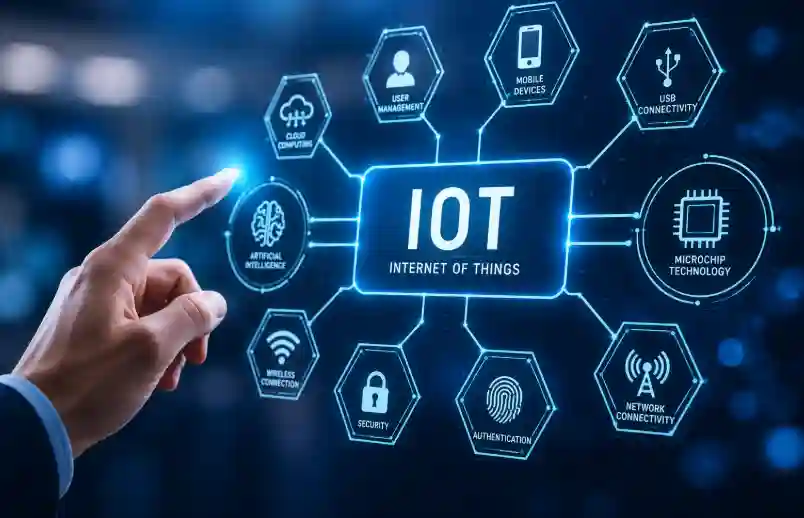
The Internet of Things, commonly known as IoT, is changing the way businesses and people use technology. Smart devices are now part of everyday life, from fitness bands and smart home systems to industrial machines and healthcare equipment. In 2026, IoT product development has become one of the fastest-growing areas in technology because businesses want smarter, connected, and more efficient solutions.
IoT products help companies collect real-time data, automate tasks, improve operations, and deliver better customer experiences. As industries continue moving toward digital transformation, the demand for reliable IoT solutions keeps growing.
This guide explains how IoT product development works, the technologies involved, key benefits, challenges, and future trends shaping the industry in 2026.
Understanding IoT Product Development
IoT product development is the process of building connected devices that communicate through the internet or wireless networks. These products are designed to collect, share, and process data automatically.
A complete IoT solution usually combines:
- Smart hardware
- Embedded software
- Sensors
- Connectivity technologies
- Cloud platforms
- Mobile or web applications
The main goal is to create intelligent systems that can monitor, analyze, and respond to data in real time.
Some common IoT products include:
- Smartwatches
- Home automation devices
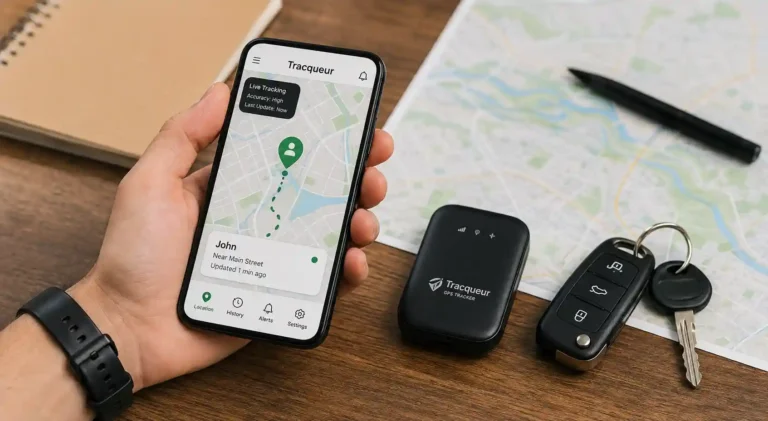
- GPS tracking systems
- Industrial monitoring equipment
- Smart healthcare devices
- Connected agriculture systems
Today, IoT is being used in almost every industry because it helps businesses improve productivity and reduce manual work.
Why IoT Product Development Is Growing Rapidly
The adoption of connected technology is increasing every year. Businesses are investing in IoT products because they provide better control, efficiency, and data visibility.
Real-Time Monitoring
IoT devices allow businesses to track systems and equipment instantly. Real-time monitoring helps identify problems before they become serious.
Improved Automation
Connected products reduce the need for manual operations. Automated systems save time and improve accuracy.
Better Customer Experience
Smart products make services more convenient and user-friendly. Customers now expect connected features in modern products.
Reduced Operational Costs
IoT systems help optimize resources, energy consumption, and maintenance schedules, reducing overall costs.
Data-Based Decision Making
Businesses can use IoT-generated data to improve operations, predict failures, and make smarter business decisions.
Core Components of an IoT Product
Developing a successful IoT product requires multiple technologies working together smoothly.
Hardware Design
It includes:
- Sensors
- Microcontrollers
- Processors
- Batteries
- PCBs
- Connectivity modules
The hardware must be reliable, energy-efficient, and durable.
Sensors
Sensors are responsible for collecting data from the environment.
Different types of sensors include:
- Temperature sensors
- Motion sensors
- Pressure sensors
- Humidity sensors
- GPS sensors
The collected data is sent to software systems for processing.
Embedded Software
Embedded software controls device operations and communication between hardware components.
It manages:
- Device functionality
- Sensor communication
- Data processing
- Connectivity protocols
Efficient firmware improves device performance and stability.
Connectivity Technologies
IoT products use different communication technologies depending on the application and environment.
Popular connectivity options include:
- Wi-Fi
- Bluetooth
- Zigbee
- LoRaWAN
- NB-IoT
- LTE
- 5G
Choosing the right network technology is important for performance and battery efficiency.
Cloud Integration
The Cloud platforms store, process, and analyze data received from IoT devices.
Cloud systems help businesses:
- Access device data remotely
- Monitor systems in real time
- Manage updates
- Store large amounts of information
Cloud computing also improves scalability for growing IoT ecosystems.
Mobile and Web Applications
Many IoT products include mobile apps or dashboards that allow users to control and monitor devices remotely.
Applications help users:
- View analytics
- Receive notifications
- Control settings
- Track device status
Simple interfaces improve user experience and customer satisfaction.
Step-by-Step IoT Product Development Process
Creating an IoT product involves several important stages. Each phase helps ensure the final product is stable, secure, and ready for the market.
Product Idea and Research
The first step is understanding the business problem and identifying how IoT can solve it.
Businesses should research:
- Market demand
- Target users
- Competitors
- Required features
- Industry challenges
Clear planning reduces development risks.
Defining Technical Requirements
Once the concept is finalized, technical requirements are prepared.
This includes:
- Hardware specifications
- Connectivity needs
- Power requirements
- Security standards
- Cloud architecture
- App functionality
Well-defined requirements improve development efficiency.
Hardware Prototyping
Engineers build early hardware prototypes to test functionality and performance.
This stage includes:
- PCB design
- Component selection
- Sensor integration
- Circuit testing
Prototypes help identify design issues early.
Embedded Development
Embedded developers create firmware for the device.
The firmware handles:
- Device communication
- Sensor data collection
- Power management
- Connectivity control
Reliable firmware is essential for stable product performance.
Cloud and Backend Development
Backend systems are developed to process and manage data from connected devices.
Cloud infrastructure may include:
- APIs
- Databases
- Analytics systems
- Device management platforms
Scalable architecture supports future expansion.
Mobile App and Dashboard Development
Applications are designed for users to interact with IoT devices.
The interface should be:
- Easy to use
- Responsive
- Secure
- Fast
Good design improves customer engagement.
Testing and Quality Assurance
Testing is one of the most important phases of IoT product development.
Different types of testing include:
- Hardware testing
- Security testing
- Connectivity testing
- Performance testing
- Battery testing
- User experience testing
Thorough testing helps avoid failures after deployment.
Manufacturing and Deployment
After successful testing, the product moves into production.
This stage includes:
- Manufacturing setup
- Quality control
- Certifications
- Device deployment
Proper planning ensures a smooth product launch.
Maintenance and Updates
IoT products require continuous support after launch.
Ongoing maintenance may involve:
- Firmware updates
- Security patches
- Bug fixes
- Feature improvements
Regular updates help maintain product reliability and security.
Industries Using IoT Solutions in 2026
IoT technology is widely used across industries because of its ability to improve automation and efficiency.
Healthcare
Healthcare organizations use IoT for:
- Remote patient monitoring
- Smart medical devices
- Wearable health trackers
- Hospital asset tracking
IoT improves patient care and operational management.
Manufacturing
Industrial IoT solutions help manufacturers with:
- Predictive maintenance
- Equipment monitoring
- Factory automation
- Production optimization
Smart factories are becoming increasingly common.
Agriculture
Farmers use IoT devices for:
- Smart irrigation
- Soil monitoring
- Weather tracking
- Livestock management
IoT improves crop productivity and resource efficiency.
Logistics and Transportation
IoT helps logistics companies with:
- Vehicle tracking
- Fleet management
- Route optimization
- Fuel monitoring
Real-time tracking improves supply chain visibility.
Retail
Retail businesses use IoT systems for:
- Smart inventory management
- Customer behavior tracking
- Automated checkout systems
- Connected shopping experiences
These technologies improve customer satisfaction and operational efficiency.
Challenges in IoT Product Development
Although IoT offers many benefits, businesses also face several challenges during development.
Security and Privacy Risks
Connected devices can become targets for cyberattacks if proper security measures are not implemented.
Businesses must focus on:
- Encryption
- Secure authentication
- Data protection
- Regular software updates
Security should be part of the development process from the beginning.
Connectivity Problems
IoT devices depend on reliable network connections. Weak connectivity can affect performance and data transmission.
Choosing the right communication technology is important.
Power Management
Battery-powered devices must be energy efficient to ensure longer operational life.
Poor power optimization can reduce usability.
Integration Complexity
IoT products often need to integrate with existing software and hardware systems.
Compatibility challenges can increase development time and costs.
Scalability
As the number of connected devices grows, businesses need scalable cloud infrastructure and backend systems.
Managing large IoT ecosystems requires proper planning.
Latest IoT Trends in 2026
IoT technology continues evolving with new innovations and smarter systems.
AI-Powered IoT
Artificial Intelligence is helping IoT systems become more intelligent through automation and predictive analytics.
AI improves decision-making and operational efficiency.
5G Connectivity
5G networks support faster communication, lower latency, and better device connectivity.
This enables advanced IoT applications across industries.
Digital Twins
Digital twin technology creates virtual models of physical systems for monitoring and analysis.
Industries use digital twins for predictive maintenance and performance optimization.
Sustainable IoT Solutions
Businesses are focusing on eco-friendly and energy-efficient IoT technologies.
Future of IoT Product Development
The future of IoT looks highly promising. Smart connected systems will continue improving industries, homes, healthcare, transportation, and cities.
Future IoT advancements are expected in:
- Smart cities
- Industrial automation
- Autonomous transportation
- Smart healthcare
- Energy management
- Smart homes
As technologies like AI, cloud computing, and 5G continue evolving, IoT products will become faster, smarter, and more efficient.
Businesses that adopt connected technologies early will have a stronger advantage in the digital economy.
Conclusion
IoT product development in 2026 is helping businesses create smarter, more connected, and efficient solutions across industries. From healthcare and agriculture to manufacturing and retail, IoT technology is transforming how companies operate and serve customers.
Developing a successful IoT product requires the right combination of hardware, software, connectivity, cloud infrastructure, and security. Businesses must also focus on scalability, performance, and user experience to stay competitive.
As demand for connected products continues growing, IoT will remain one of the most important technologies shaping the future of digital innovation.
Frequently Asked Questions (FAQs)
What is IoT product development?
IoT product development is the process of building smart connected devices that collect and exchange data through the internet or wireless networks.
Which industries benefit most from IoT solutions?
Industries such as healthcare, manufacturing, agriculture, retail, logistics, and smart home automation benefit significantly from IoT technology.
Why is security important in IoT devices?
IoT devices often handle sensitive data. Strong security helps protect systems from cyber threats and unauthorized access.
What technologies are commonly used in IoT development?
Common technologies include embedded systems, sensors, cloud computing, Wi-Fi, Bluetooth, AI, and 5G connectivity.
How long does IoT product development take?
Simple solutions may take a few months, while advanced industrial systems may require longer development cycles.
What are the biggest challenges in IoT product development?
Common challenges include security risks, connectivity issues, power management, scalability, and system integration.
How does AI improve IoT systems?
AI helps IoT devices analyze data, automate operations, and make smarter decisions in real time.
What is the future of IoT technology?
The future of IoT includes smarter devices, faster connectivity, AI integration, edge computing, and more sustainable connected systems.