
Giniä: AI Workflow Platform for Smarter Brand Teams
Giniä is an AI workflow platform designed to help brand teams organize projects, automate repetitive tasks, and improve daily operations. Modern businesses often manage multiple campaigns, content schedules, customer requests, and communication channels at the same time. Handling everything manually can slow productivity and create confusion between departments. Giniä solves this problem by bringing workflows, collaboration tools, and automation features into one system.
The platform focuses on helping teams reduce unnecessary manual work while improving accuracy and organization. Instead of switching between different applications for communication, task tracking, and approvals, users can manage everything from a centralized workspace. This structure allows companies to save time and maintain better control over projects and marketing activities.
How AI Automation Supports Brand Operations
AI automation plays an important role in how Giniä supports business operations. The platform can automate repetitive tasks such as assigning work, sending notifications, updating project statuses, and organizing workflow sequences. These automated processes reduce delays and help teams complete tasks faster.
Brands can also use AI-driven recommendations to improve workflow efficiency. For example, the system may suggest task priorities, identify workflow bottlenecks, or automate recurring campaign actions. This helps businesses focus more on strategy, creativity, and customer engagement instead of spending hours on administrative work. AI automation also improves consistency across departments, making operations smoother for growing teams.
Key Features That Make Giniä Stand Out
Workflow Automation Tools
One of the strongest features of Giniä is its workflow automation system. Businesses can create custom workflows for marketing campaigns, product launches, client onboarding, and content approvals. Automated triggers can move projects between stages without requiring constant manual updates.
The platform also supports task scheduling, deadline tracking, and progress monitoring. These tools help managers oversee operations more effectively while reducing the risk of missed deadlines. Automated workflows are especially useful for companies handling multiple projects simultaneously because they improve organization and reduce repetitive communication.
Team Collaboration and Task Tracking
Giniä also improves collaboration between departments and team members. Employees can assign tasks, share updates, leave comments, and monitor project progress in real time. This centralized communication system reduces confusion caused by scattered emails or disconnected messaging platforms.
Task tracking features give managers better visibility into team performance and workload distribution. Team members can easily check deadlines, responsibilities, and project updates from a single dashboard. Improved transparency helps businesses avoid delays and maintain stronger coordination during important campaigns or client projects.
You might also like: GarforFans: Trusted Platform for Creators to Grow Online
How Giniä Helps Marketing and Creative Teams

Managing Campaign Workflows Faster
Marketing and creative teams often work under tight deadlines while managing large amounts of content and approvals. Giniä simplifies this process by automating workflow stages and reducing unnecessary manual coordination. Teams can create structured approval systems for social media campaigns, blog content, advertisements, and design projects.
Automation also speeds up campaign execution by ensuring tasks move quickly between writers, designers, editors, and managers. Faster workflows help brands publish campaigns on time while maintaining quality and consistency across all marketing channels.
Improving Communication Across Departments
Communication problems can slow productivity and create misunderstandings between departments. Giniä improves communication by providing a shared workspace where teams can exchange updates, review feedback, and monitor project progress together. This system helps reduce delays caused by missing information or unclear responsibilities.
Departments such as marketing, sales, customer support, and creative teams can collaborate more effectively within the same platform. Better communication improves decision-making, strengthens teamwork, and supports smoother project execution across the business.
Industries That Can Benefit From Giniä
E-commerce and Online Brands
E-commerce businesses manage inventory updates, customer communication, product launches, and marketing campaigns regularly. Giniä helps online brands automate many of these processes while improving operational efficiency. Automated workflows can simplify campaign management, promotional planning, and internal coordination.
Agencies and Content Teams
Marketing agencies and content teams can also benefit from Giniä because they often handle multiple clients and deadlines at once. The platform helps organize tasks, manage approvals, and improve collaboration between writers, designers, and account managers. This structure supports faster delivery times and more consistent project management for growing agencies.
User Interface and Overall Ease of Use
Dashboard Navigation Experience
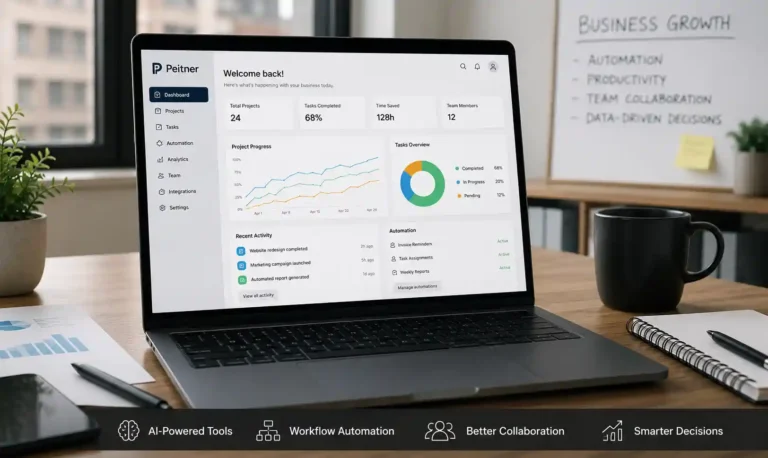
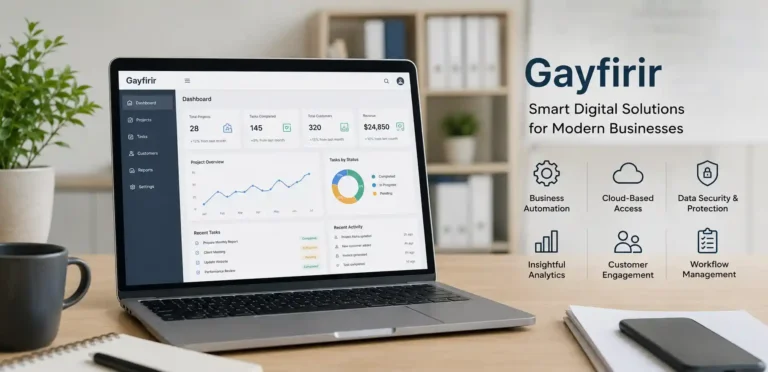
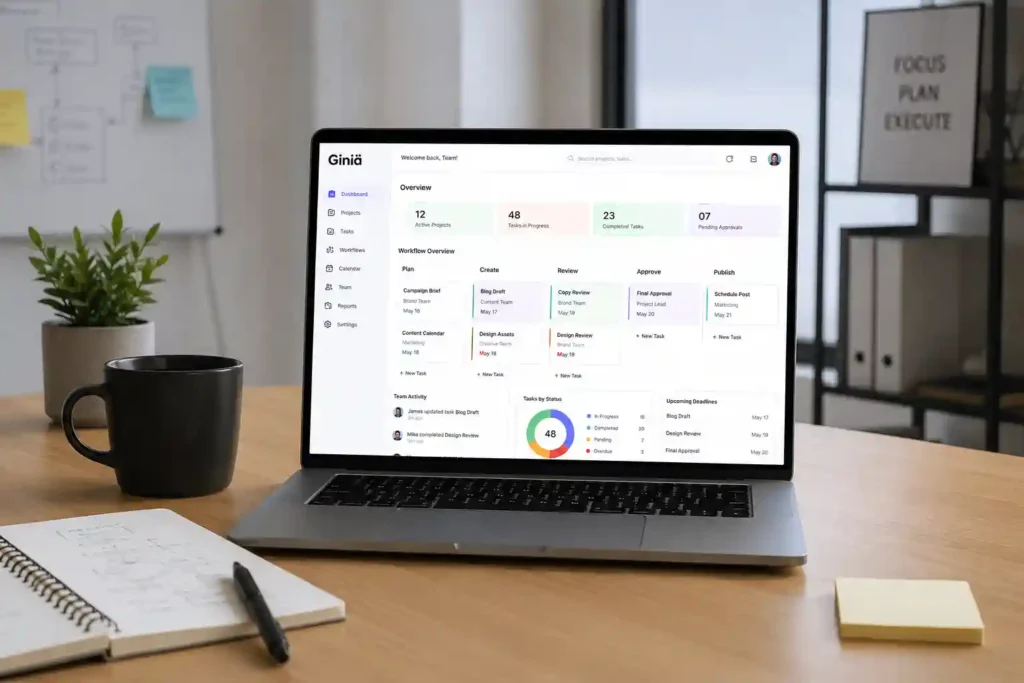
Giniä offers a clean and organized interface designed for business teams. The dashboard focuses on simplicity, allowing users to manage workflows, tasks, campaigns, and communication from one centralized workspace. Instead of overwhelming users with unnecessary options, the platform keeps tools visible. This layout helps teams work faster and reduces the learning curve for employees using workflow automation software for the first time.
The navigation structure is designed to improve efficiency. Users can switch between projects, deadlines, automation settings, and team discussions without wasting time searching through menus. Real-time updates allow managers and employees to monitor project progress instantly. Clear visual indicators for task status, priorities, and deadlines make daily operations easier to manage. Businesses handling multiple campaigns or clients benefit from the platform’s organized structure because it improves visibility across activities.
Setup Process for New Users
The setup process for Giniä is straightforward, making it suitable for businesses that want quick implementation. New users can create workspaces, invite team members, assign permissions, and build workflows without requiring advanced technical knowledge. The platform guides users through the initial configuration process with step-by-step instructions and customizable templates.
Companies can also adapt the system to fit their operational requirements. Teams can create personalized dashboards, workflow stages, and automation rules based on their daily processes. This flexibility allows businesses to integrate Giniä into existing operations without changing their workflow structure. Faster onboarding helps companies begin using automation tools quickly.
You might also like: Konversky: The Future of AI-Powered Customer Conversations
AI Capabilities Behind the Giniä Platform
Smart Recommendations and Automation
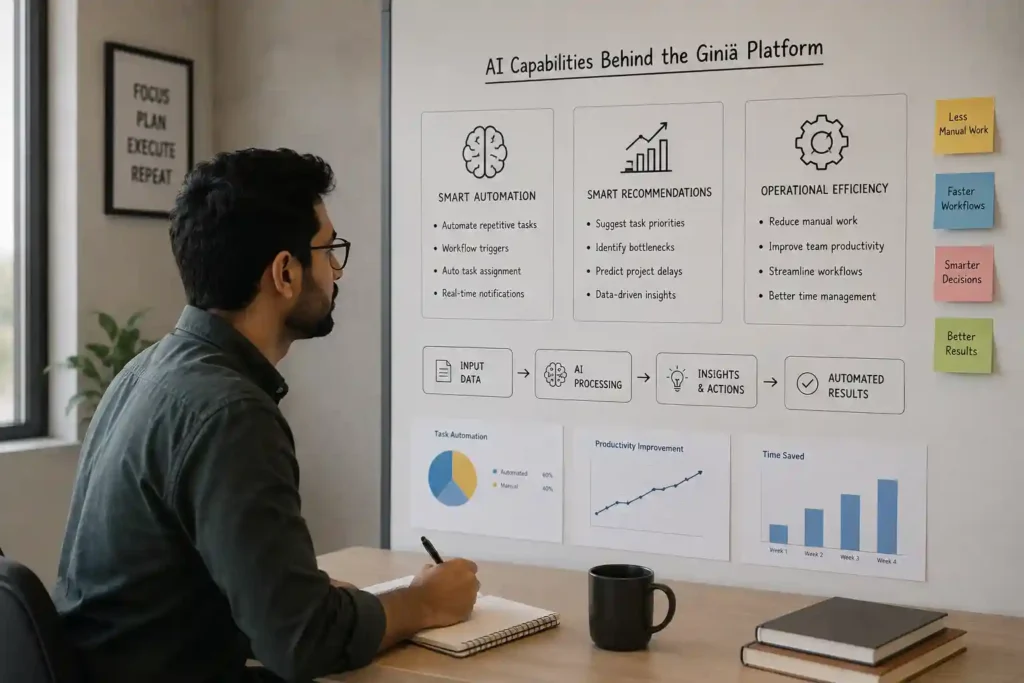
Artificial intelligence is one of the most important components of Giniä. The platform uses AI-powered recommendations to improve workflow management and operational efficiency. Smart automation features can suggest task priorities, automate repetitive updates, and identify delays that may affect project timelines. These recommendations help managers make faster decisions while improving productivity.
AI automation also supports resource management by helping teams distribute workloads more effectively. Businesses handling multiple projects can use these tools to reduce confusion and improve coordination between departments. Predictive insights may also help organizations recognize workflow inefficiencies before they become larger operational problems.
Reducing Manual Repetitive Tasks
One of the biggest advantages of Giniä is its ability to reduce repetitive manual work. Tasks such as status updates, deadline reminders, approval requests, and workflow transitions can be automated within the platform. This reduces administrative pressure on employees and allows teams to focus on strategy, creativity, and customer engagement.
Automation also minimizes human error in daily operations. Businesses can create standardized processes that maintain consistency across projects and departments. Reducing repetitive work improves productivity while helping employees spend more time on high-value activities that directly support business growth.
Giniä Pricing and Available Plans
Features Included in Each Plan
Giniä offers different pricing plans designed for businesses of various sizes. Smaller teams may benefit from entry-level plans that include task management, workflow automation, and collaboration tools. Larger organizations often require advanced plans with expanded automation capabilities, analytics, integrations, and administrative controls.
The platform may also include customizable workflows, reporting features, cloud storage, and multi-user collaboration, depending on the selected package. Businesses should compare available features carefully before choosing a plan because operational requirements can vary significantly between industries and team sizes.
Is Giniä Worth the Cost?
For many businesses, Giniä can provide strong value by improving workflow efficiency and reducing manual operational tasks. Companies that manage multiple projects, campaigns, or departments may benefit from increased organization and faster collaboration. Time savings created through automation can also improve long-term productivity and operational performance.
Benefits and Limitations of Using Giniä
Major Advantages for Businesses
Giniä helps businesses improve workflow visibility, team collaboration, and operational efficiency. Automation features reduce repetitive work while centralized communication tools support better project coordination. The platform’s flexibility also allows businesses to adapt workflows based on their operational goals.
Potential Drawbacks to Consider
Despite its benefits, some businesses may require time to fully adjust to automated workflow systems. Smaller companies with limited budgets may also find advanced plans expensive depending on their operational needs. Businesses should evaluate their workflow requirements carefully before making software investments.
You might also like: Schedow: The Ultimate Platform for Smart Scheduling and Productivity
Giniä vs Other Workflow Automation Platforms
Differences in Features and Flexibility
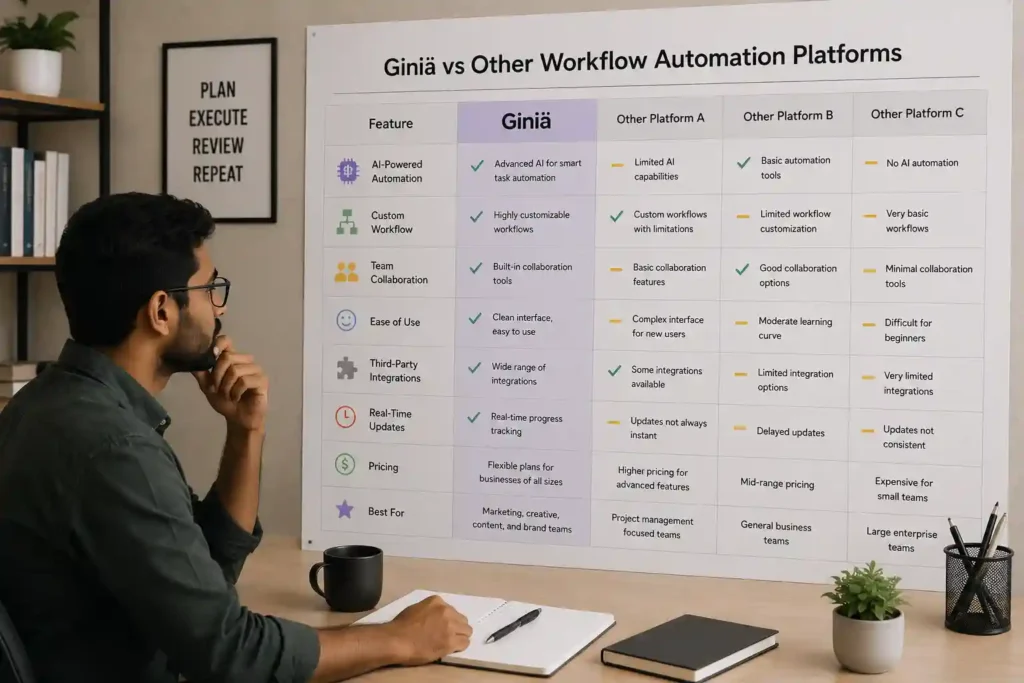
Giniä competes with many workflow automation platforms that focus on project management and collaboration. However, the platform separates itself by combining AI automation, workflow management, and team coordination within one system. Many traditional platforms mainly focus on task organization, while Giniä emphasizes automation and operational efficiency for brand teams.
The flexibility of Giniä also makes it different from standard workflow software. Businesses can customize workflows, automate repetitive actions, and adapt dashboards based on goals. Some competing platforms require additional tools or plugins for automation, but Giniä aims to provide these features directly within the platform. This reduces complexity for teams that want a centralized solution for workflow management.
Another important difference is the focus on collaboration between departments. Marketing teams, content creators, project managers, and sales departments can all work together within the same workspace. Real-time communication and workflow visibility help businesses improve coordination without relying heavily on external communication tools.
Which Teams Should Choose Giniä?
Giniä is suitable for teams that manage multiple workflows and require stronger organization. Marketing departments, creative agencies, e-commerce businesses, and content production teams may benefit the most from the platform. Companies that regularly handle campaigns, approvals, deadlines, and collaborative projects can use Giniä to improve efficiency.
The platform is also useful for growing businesses that want to automate repetitive processes without building complicated systems. Smaller teams may appreciate the dashboard and automation features because they help reduce administrative pressure. Larger organizations can benefit from workflow customization, team management tools, and reporting capabilities.
Businesses looking for a balance between automation, collaboration, and workflow visibility may find Giniä more practical than software focused only on task management. Its flexibility allows teams to scale operations while maintaining organized communication and structured workflows.
Security, Integrations, and Platform Support
Third-Party Tool Integrations
Modern businesses often use multiple software tools for communication, marketing, analytics, and customer management. Giniä supports integrations with third-party applications to improve workflow connectivity and reduce manual data transfers between systems. These integrations help businesses maintain consistent operations while improving productivity.
Teams may connect the platform with communication software, cloud storage services, marketing tools, and project management systems. Integration support allows businesses to synchronize tasks, share updates, and automate processes across different applications. This improves operational efficiency because employees can continue using familiar tools while managing workflows.
Integration flexibility is especially important for marketing teams and agencies handling campaigns across several channels. By connecting external tools with Giniä, businesses can improve reporting accuracy and streamline project execution.
Data Privacy and Team Security
Security is an important consideration for businesses using workflow automation platforms. Giniä focuses on protecting user information, project data, and internal communication through security controls and account management features. Companies managing sensitive client information or confidential campaigns require reliable security standards to protect operations.
Permission settings help businesses control access to workflows, files, and team discussions. Administrators can manage user roles and define access levels for different departments. These controls improve operational security while reducing the risk of unauthorized activity within the platform.
Reliable security systems also support trust between businesses and clients. Organizations handling collaborative projects need confidence that their internal communication and workflow data remain protected during daily operations.
Frequently Asked Questions
Is Giniä Suitable for Small Businesses?
Yes, Giniä can support small businesses by simplifying workflows, automating repetitive tasks, and improving collaboration between employees. Smaller teams can benefit from increased organization and reduced administrative work.
Does Giniä Require Technical Knowledge?
No, the platform is designed for ease of use. Most businesses can set up workflows, manage projects, and automate tasks without advanced technical skills or development experience.
Can Giniä Integrate With Marketing Tools?
Yes, Giniä supports integrations with marketing and communication platforms, helping businesses manage campaigns, reporting, and collaboration more efficiently.
You might also like: Pantagonar: The Smart Digital Platform Transforming Online Productivity
Conclusion
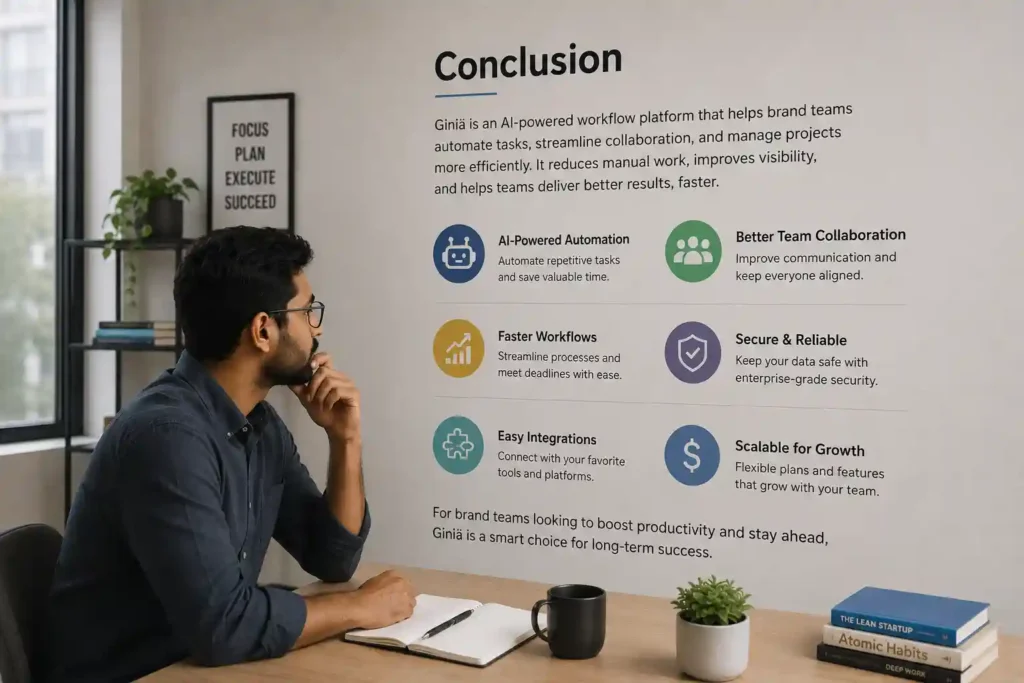
Giniä provides businesses with a workflow automation platform focused on collaboration, efficiency, and operational organization. Its AI-powered automation, flexible workflow customization, and integration support make it valuable for brand teams. Companies looking to improve productivity, reduce repetitive work, and strengthen communication across departments may find Giniä useful for long-term business growth and workflow management success.