
Every parent wants their child to grow into a confident, respectful, and resilient individual. While academic success is important, children also need life skills that help them navigate challenges, build healthy relationships, and stay safe in different situations. One of the most effective ways to develop these qualities is through structured self-defense training.
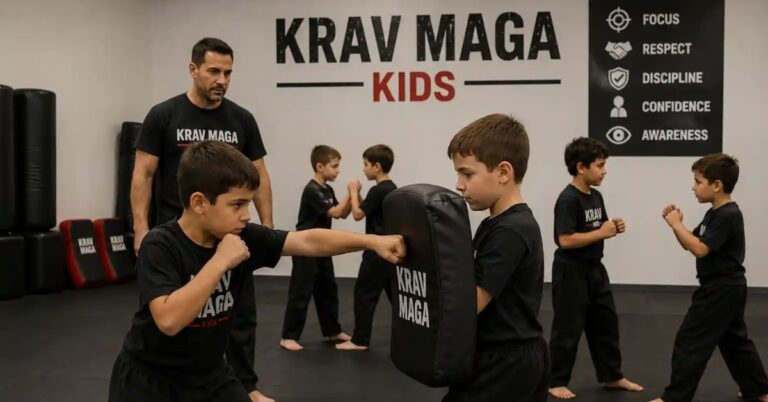
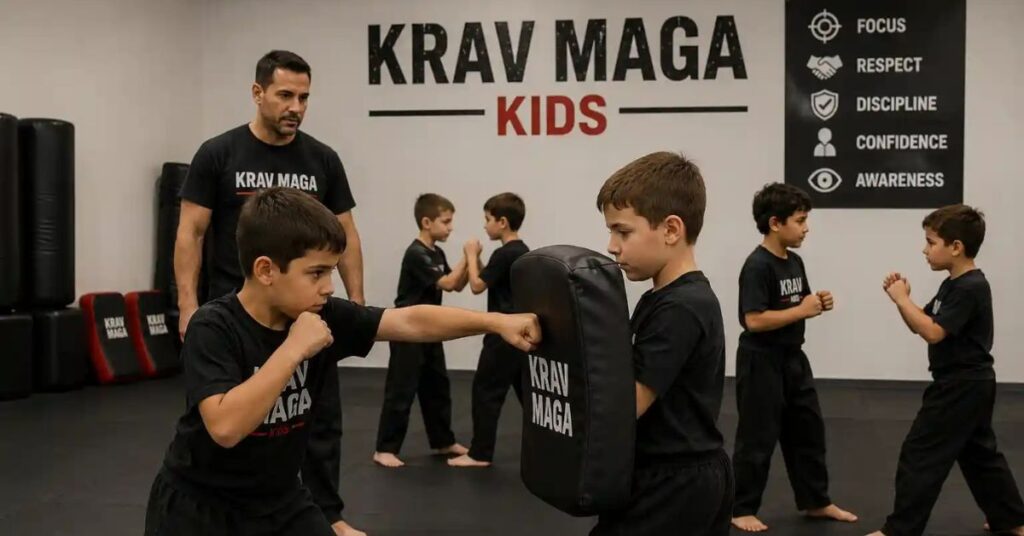
Programs like Kids Krav Maga combine physical fitness with practical self-defense techniques, teaching children how to recognize risks, stay calm under pressure, and respond appropriately when necessary. Unlike many traditional martial arts, Krav Maga emphasizes realistic situations and age-appropriate safety skills that children can apply in everyday life.
Whether your child is shy, energetic, or looking for a new activity, Krav Maga offers a supportive environment where confidence grows through achievement and consistent practice.
Quick Overview
| Feature | Benefits for Kids |
| Practical Self-Defense | Learn realistic safety techniques |
| Confidence Building | Improves self-esteem and resilience |
| Physical Fitness | Enhances strength, agility, and endurance |
| Discipline | Encourages focus and respect |
| Teamwork | Builds communication and social skills |
| Problem Solving | Develops quick thinking under pressure |
| Safe Environment | Professional instructors and structured classes |
| Real-Life Skills | Learn awareness and conflict avoidance |
Why Confidence Matters for Children
Confidence isn’t simply about speaking loudly or appearing fearless. It comes from believing in one’s ability to overcome challenges.
Children with healthy confidence often:
- Participate more in school activities
- Handle peer pressure better
- Recover faster from setbacks
- Communicate effectively
- Show respect for themselves and others
- Make safer decisions
Activities that challenge children in positive ways are among the best methods for developing lasting confidence.
What Makes Krav Maga Different?
Unlike sports that focus primarily on competition, Krav Maga is designed around practical self-defense and personal safety.
Children learn how to:
- Stay aware of their surroundings
- Avoid dangerous situations
- Set personal boundaries
- React calmly during stressful moments
- Escape safely from common threats
- Build physical and mental resilience
These skills are taught in a structured, age-appropriate manner with safety always being the highest priority.
Physical Benefits of Kids Krav Maga
Improved Strength
Regular training develops functional strength through bodyweight exercises and movement drills.
Benefits include:
- Better posture
- Stronger muscles
- Increased endurance
- Improved balance
Better Coordination
Children improve:
- Hand-eye coordination
- Footwork
- Reflexes
- Body control
These improvements often carry over into other sports and everyday activities.
Healthier Lifestyle
Consistent exercise encourages:
- Healthy weight management
- Better cardiovascular fitness
- Increased energy
- Improved sleep quality
Developing healthy habits early often leads to lifelong fitness.
Mental Benefits Beyond Self-Defense
Increased Focus
Every technique requires concentration.
Over time, children often improve:
- Listening skills
- Memory
- Attention span
- Ability to follow instructions
Many parents report improvements in school performance after regular martial arts participation.
Emotional Control
Children naturally experience frustration, excitement, and anxiety.
Krav Maga helps them learn:
- Patience
- Emotional regulation
- Self-control
- Respectful communication
These emotional skills become valuable throughout life.
Building Resilience
Progress in Krav Maga happens gradually.
Children learn that:
- Mistakes are part of learning
- Practice leads to improvement
- Persistence creates success
- Hard work brings results
This growth mindset benefits every aspect of life.
Practical Self-Defense Skills
Situational Awareness
One of the most valuable lessons children learn is prevention.
They are taught how to:
- Notice potential risks
- Stay alert
- Make smart decisions
- Seek help when needed
Avoiding danger is always better than confronting it.
Boundary Setting
Children practice using confident verbal communication.
Examples include:
- Saying “Stop”
- Keeping personal space
- Asking trusted adults for help
- Walking away from unsafe situations
These simple skills can make a significant difference.
Safe Escape Techniques
Training focuses on:
- Breaking free safely
- Creating distance
- Escaping danger
- Finding help quickly
The goal is always personal safety—not fighting.
Confidence Through Achievement
Every new skill mastered gives children a sense of accomplishment.
As they progress, they gain confidence through:
- Learning new techniques
- Reaching personal goals
- Earning instructor recognition
- Supporting teammates
Social Benefits of Group Training
Training alongside other children helps develop:
Teamwork
Students practice together respectfully while encouraging one another.
Respect
Children learn to respect:
- Instructors
- Training partners
- Rules
- Themselves
Communication
Interactive drills help improve:
- Listening
- Speaking confidently
- Cooperation
- Leadership skills
The Importance of Safe Training
Quality Krav Maga schools prioritize safety through:
- Certified instructors
- Age-appropriate classes
- Controlled practice
- Protective equipment when required
- Positive learning environments
A supportive atmosphere allows children to grow without unnecessary pressure.
Why Parents Choose SGS Krav Maga
Parents often look for programs that provide more than just physical exercise. SGS Krav Maga stands out by offering structured self-defense training designed for children of different ages and experience levels.
Some of the center’s standout features include:
PowerKube Combat Performance Center
Students benefit from modern training technology that helps improve striking technique, coordination, and measurable progress in a controlled environment.
Women’s Self-Defense Programs
The center also offers dedicated women’s self-defense classes, creating practical learning opportunities for families seeking personal safety education.
Real-Life Scenario Training
Rather than focusing solely on traditional martial arts routines, students learn practical responses for realistic situations while emphasizing awareness, avoidance, and safe decision-making.
Welcoming Community
Children of all fitness levels can train in a supportive environment where instructors encourage progress at an individual pace.
How Often Should Kids Train?
Most children benefit from attending classes:
| Experience Level | Recommended Training |
| Beginner | 1–2 sessions per week |
| Intermediate | 2–3 sessions per week |
| Advanced | 3–4 sessions per week |
Consistency matters more than intensity.
Tips for Parents
Encourage Consistency
Regular attendance builds stronger habits and faster improvement.
Celebrate Progress
Focus on effort rather than perfection.
Practice Safety Conversations
Reinforce the importance of awareness and avoiding dangerous situations.
Support Healthy Habits
Balanced nutrition and good sleep improve training performance.
Frequently Asked Questions
Is Krav Maga safe for children?
Yes. Reputable children’s classes focus on age-appropriate instruction, controlled techniques, and safety-first training supervised by qualified instructors.
What age can children start?
Many training centers accept children from around 5 years old, though age requirements vary depending on the program.
Does Krav Maga make children aggressive?
No. Professional instructors emphasize discipline, respect, conflict avoidance, and responsible use of self-defense skills.
Will my child need prior martial arts experience?
Not at all. Beginner classes are designed for students with no previous experience.
Can shy children benefit?
Absolutely. Many shy children become more confident as they develop skills, make friends, and achieve personal goals.
Is Krav Maga good for fitness?
Yes. Training improves cardiovascular health, strength, flexibility, coordination, and overall physical fitness.
Conclusion
Through realistic self-defense instruction, structured physical activity, and positive mentorship, Krav Maga teaches much more than techniques it builds resilience, discipline, awareness, and lifelong self-belief.
For families seeking an engaging activity that combines fitness with practical life skills, a quality children’s Krav Maga program offers lasting benefits. With experienced instructors, a strong focus on safety, innovative facilities like the PowerKube Combat Performance Center, and real-life scenario training, children can develop valuable skills that extend far beyond the training mat.