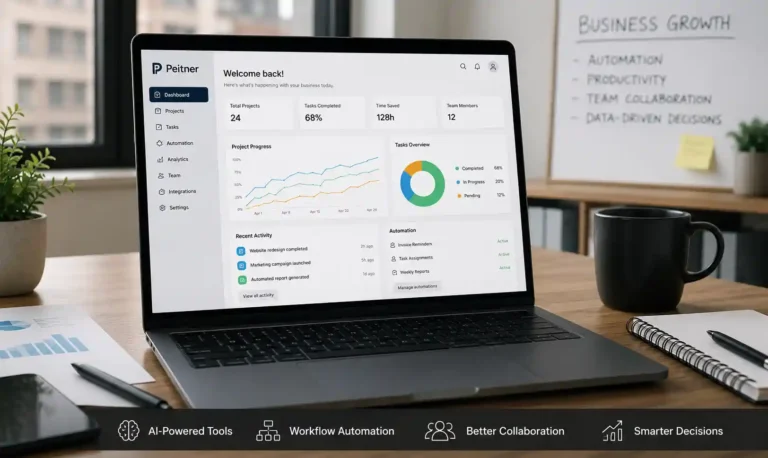


The Future of AI in E-Commerce and Online Shopping
Artificial intelligence (AI) is rapidly reshaping the e-commerce industry. From personalized recommendations to advanced search capabilities, AI helps online retailers improve customer experiences and streamline operations. As technology continues to evolve, businesses are increasingly adopting AI-driven solutions to stay competitive in the digital marketplace.
What Is Artificial Intelligence in Online Retail?
Artificial intelligence in online retail refers to the use of machine learning, data analytics, and automation technologies to enhance shopping experiences and business processes. AI systems analyze customer behavior, preferences, and purchasing patterns to provide relevant recommendations and insights. These technologies help retailers make data-driven decisions while improving customer satisfaction and operational efficiency.
Why AI Is Transforming Digital Commerce
AI is transforming digital commerce because it enables businesses to understand customers more effectively. By processing vast amounts of data in real time, AI can identify trends, predict buying behavior, and automate repetitive tasks. This leads to better customer engagement, increased sales, and improved efficiency. As consumer expectations continue to rise, AI has become an essential tool for delivering personalized and seamless shopping experiences.
The Evolution of AI in Online Shopping
The role of AI in online shopping has evolved significantly over the years. What started as basic automation has grown into sophisticated systems capable of providing highly personalized customer experiences.
Early Applications of AI
In its early stages, AI was mainly used for simple tasks such as product categorization, email automation, and basic recommendation engines. Retailers relied on rule-based systems that followed predefined instructions. While these solutions offered some benefits, they could not learn and adapt to changing customer behaviors.
Modern AI-Powered Shopping Experiences
Today, AI-powered shopping experiences are far more advanced. Modern algorithms can analyze customer interactions across multiple channels and provide personalized recommendations instantly. AI chatbots assist customers with inquiries, while predictive analytics helps businesses forecast demand and optimize inventory. These innovations create a more efficient and engaging shopping journey for consumers.
You might also like: Smart Ways to Automate Daily Business Tasks with AI
Personalized Shopping Experiences Through AI

Personalization has become one of the most valuable applications of AI in e-commerce. By understanding individual preferences, AI helps businesses deliver tailored experiences that increase customer loyalty and conversion rates.
Product Recommendations
AI-powered recommendation engines analyze browsing history, purchase behavior, and customer preferences to suggest relevant products. These recommendations help shoppers discover items they are likely to purchase, increasing average order values and improving overall satisfaction. Personalized recommendations have become a key driver of revenue for many online retailers.
Personalized Marketing Campaigns
AI enables marketers to create highly targeted campaigns based on customer data. By analyzing demographics, interests, and shopping behavior, AI can deliver personalized emails, advertisements, and promotional offers. This level of customization improves engagement rates and helps businesses connect with customers more effectively.
Dynamic Content Customization
Dynamic content customization allows websites to display personalized content for different users. AI can adjust homepage banners, product displays, and promotional messages based on individual preferences and browsing history. This creates a more relevant shopping experience and encourages customers to spend more time exploring products.
AI-Powered Search and Product Discovery
Finding the right product quickly is essential for online shoppers. AI-powered search technologies help customers discover products more efficiently while improving overall user experience.
Visual Search Technology
Visual search technology allows users to upload images and find similar products online. Instead of relying on text-based searches, customers can use photos to discover items that match their preferences. This technology enhances convenience and makes product discovery faster and more intuitive.
Voice Search Integration
Voice search has become increasingly popular with the rise of smart devices and virtual assistants. AI-powered voice search enables customers to find products using natural spoken language. This hands-free approach simplifies the shopping process and provides a more accessible experience for users.
Semantic Search and Intent Recognition
Semantic search goes beyond matching keywords by understanding the meaning and intent behind user queries. AI analyzes context, language patterns, and customer behavior to deliver more accurate search results. Intent recognition helps retailers provide relevant product suggestions, improving customer satisfaction and increasing the likelihood of conversions.
AI continues to shape the future of e-commerce by enhancing personalization, improving search functionality, and creating smarter shopping experiences. As technology advances, businesses that embrace AI will be better positioned to meet evolving customer expectations and achieve long-term growth in the competitive online marketplace.
Chatbots and Virtual Shopping Assistants
Artificial intelligence is changing the way businesses interact with customers. Among the most impactful innovations are AI-powered chatbots and virtual shopping assistants. These tools help online retailers provide instant support, improve customer engagement, and create seamless shopping experiences. As e-commerce continues to grow, chatbots are becoming an essential part of digital customer service strategies.
24/7 Customer Support
One of the biggest advantages of AI chatbots is their ability to provide round-the-clock customer support. Unlike human agents, chatbots can respond to inquiries at any time of the day, ensuring customers receive assistance whenever they need it. Whether answering questions about products, shipping, or returns, AI-powered support systems help reduce wait times and improve customer satisfaction. This constant availability enhances the shopping experience and builds trust with consumers.
Conversational Commerce
Conversational commerce combines messaging platforms, chatbots, and artificial intelligence to facilitate online purchases through natural conversations. Customers can ask questions, receive recommendations, compare products, and complete purchases without leaving the chat interface. By creating personalized interactions, conversational commerce makes online shopping more convenient and engaging. This approach helps businesses guide customers through the buying process while increasing conversion rates.
Benefits for Businesses and Consumers
Both businesses and consumers benefit from AI-powered shopping assistants. Retailers can automate routine customer service tasks, reduce operational costs, and improve efficiency. At the same time, consumers enjoy faster responses, personalized recommendations, and a smoother shopping experience. The combination of convenience and efficiency makes chatbots a valuable asset in modern e-commerce.
You might also like: AI Technology Is Changing the Future of Digital Workspaces
AI in Inventory Management and Supply Chain Optimization
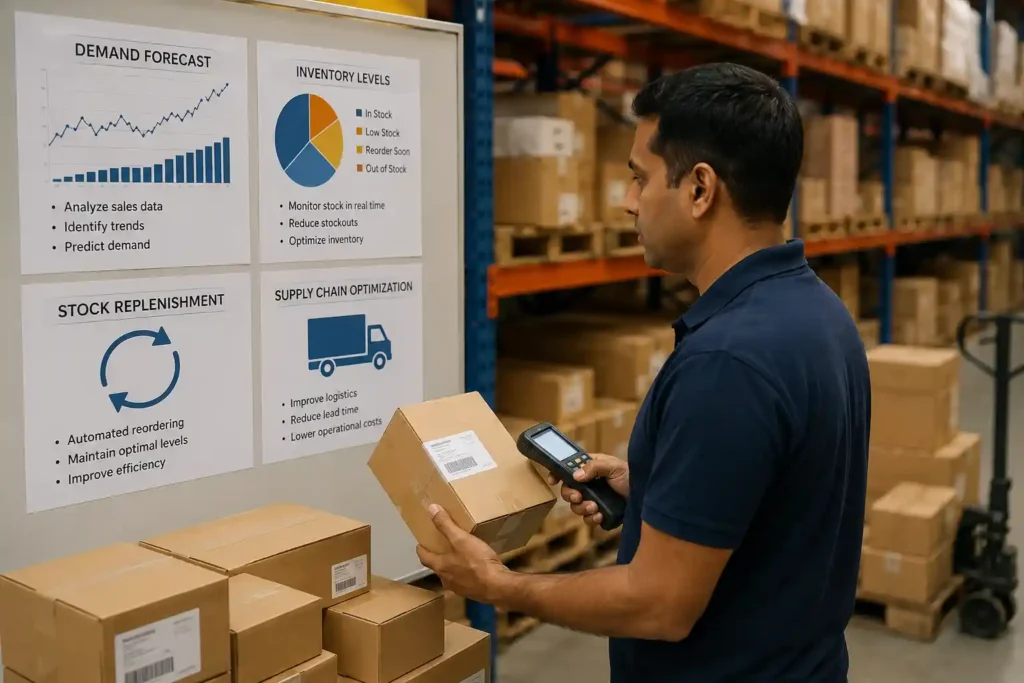
Efficient inventory management is crucial for e-commerce success. AI helps businesses optimize supply chains, reduce waste, and ensure products are available when customers need them. By analyzing large volumes of data, AI enables smarter decision-making across the entire supply chain.
Demand Forecasting
AI-driven demand forecasting helps retailers predict future customer demand with greater accuracy. By analyzing historical sales data, seasonal trends, and market conditions, AI can identify purchasing patterns and anticipate inventory requirements. Accurate forecasting minimizes stock shortages and prevents excess inventory, allowing businesses to operate more efficiently while meeting customer expectations.
Automated Stock Replenishment
Automated stock replenishment uses AI to monitor inventory levels and trigger restocking when needed. Instead of relying on manual processes, businesses can use intelligent systems to maintain optimal inventory levels. This automation reduces the risk of stockouts and overstocking while improving overall inventory management. As a result, retailers can ensure product availability without tying up unnecessary capital in excess stock.
Reducing Operational Costs
AI contributes to cost reduction by streamlining supply chain operations and minimizing inefficiencies. Automated processes decrease the need for manual intervention, reducing labor expenses and human errors. Improved forecasting and inventory management also help businesses avoid unnecessary storage costs. These efficiencies enable retailers to allocate resources more effectively and improve profitability.
AI-Driven Pricing Strategies
Pricing plays a critical role in e-commerce performance. AI enables businesses to implement intelligent pricing strategies that respond to market conditions, customer behavior, and competitor activity in real time.
Dynamic Pricing Models
Dynamic pricing models use AI algorithms to adjust product prices based on demand, inventory levels, and market trends. This flexibility allows retailers to remain competitive while maximizing sales opportunities. By responding quickly to changing conditions, businesses can optimize pricing strategies and improve overall revenue performance.
Competitor Price Monitoring
AI-powered tools continuously monitor competitor pricing across multiple platforms. These systems collect and analyze market data, allowing retailers to adjust prices strategically. By staying informed about competitor activity, businesses can maintain competitive pricing while protecting profit margins. Automated monitoring also saves time compared to manual price tracking methods.
Maximizing Revenue with AI
AI helps businesses maximize revenue by identifying pricing opportunities and customer purchasing patterns. Advanced analytics can determine optimal price points that balance profitability and customer demand. This data-driven approach allows retailers to make informed pricing decisions that support long-term business growth and customer retention.
Fraud Detection and E-Commerce Security
As online transactions increase, security has become a major concern for e-commerce businesses. AI plays a crucial role in protecting retailers and consumers from fraud while enhancing payment security.
Identifying Suspicious Transactions
AI systems can analyze transaction data in real time to detect unusual patterns and suspicious behavior. By recognizing anomalies that may indicate fraudulent activity, AI helps businesses respond quickly and prevent financial losses. This proactive approach strengthens security and reduces fraud-related risks.
AI for Payment Security
AI enhances payment security by monitoring transactions and verifying user behavior. Intelligent systems can identify potential threats before payments are processed, reducing the likelihood of unauthorized transactions. These advanced security measures help protect both businesses and customers during online purchases.
Protecting Customer Data
Customer data protection is essential in e-commerce. AI helps identify vulnerabilities, detect cyber threats, and strengthen security protocols. By safeguarding sensitive information, businesses can maintain customer trust and comply with data protection regulations. Strong security practices supported by AI contribute to a safer and more reliable online shopping environment.
The Role of Generative AI in Online Shopping
Generative AI is transforming online shopping by creating content, improving customer engagement, and delivering highly personalized experiences. Unlike traditional AI systems that primarily analyze data, generative AI can create text, images, and other digital assets. This capability helps e-commerce businesses automate content production while enhancing the customer journey. As retailers seek more efficient ways to engage consumers, generative AI is becoming a powerful tool for innovation and growth.
AI-Generated Product Descriptions
Creating unique product descriptions for large inventories can be time-consuming. Generative AI simplifies this process by automatically producing detailed, accurate, and engaging descriptions. These AI-generated texts can highlight product features, benefits, and specifications while maintaining consistency across online stores. In addition to saving time, AI-generated content can improve search engine visibility by incorporating relevant keywords naturally, helping businesses attract more organic traffic.
Virtual Try-Ons and AI Imaging
Virtual try-on technology allows customers to visualize products before making a purchase. Using AI imaging tools, shoppers can see how clothing, accessories, or cosmetics may look on them without visiting a physical store. This interactive experience reduces uncertainty and increases buyer confidence. AI-generated images also enable businesses to create realistic product visuals, improving presentation and supporting more informed purchasing decisions.
Content Creation and Marketing Automation
Generative AI streamlines content creation by producing marketing copy, social media posts, email campaigns, and promotional materials. Businesses can generate personalized content at scale while maintaining consistent brand messaging. Marketing automation powered by AI helps retailers deliver relevant content to targeted audiences, improving engagement and increasing conversion opportunities. As competition grows, AI-driven content strategies provide a valuable advantage in digital marketing.
You might also like: AI Productivity Platforms Are Becoming Essential for Teams
Emerging Trends Shaping the Future of AI in E-Commerce

Artificial intelligence continues to evolve, introducing new technologies that are redefining the online shopping experience. Several emerging trends are expected to influence the future of e-commerce in significant ways.
Predictive Shopping
Predictive shopping uses AI to anticipate customer needs before purchases occur. By analyzing browsing habits, purchase history, and behavioral data, AI can identify products customers are likely to want in the future. Retailers can then offer timely recommendations and personalized promotions. This proactive approach improves convenience and enhances customer satisfaction by making shopping experiences more relevant.
Hyper-Personalization
Hyper-personalization takes traditional personalization to a higher level. AI processes large amounts of customer data to create highly individualized experiences tailored to specific preferences and behaviors. From personalized product suggestions to customized website layouts, hyper-personalization helps businesses strengthen customer relationships. Consumers benefit from more relevant interactions, while retailers can improve engagement and increase sales performance.
Autonomous Shopping Experiences
Autonomous shopping experiences represent a growing trend in AI-powered commerce. Intelligent systems can automate various aspects of the customer journey, including product discovery, recommendations, and purchasing decisions. AI-driven assistants may eventually manage routine shopping tasks on behalf of consumers. These advancements aim to make shopping faster, more convenient, and more efficient for both businesses and customers.
Challenges and Ethical Concerns of AI in E-Commerce
While AI offers numerous advantages, it also presents challenges and ethical concerns that businesses must address. Responsible implementation is essential to ensure trust, fairness, and long-term success.
Data Privacy Issues
AI systems rely heavily on customer data to deliver personalized experiences. This dependence raises concerns about data collection, storage, and usage. Businesses must implement strong security measures and transparent privacy practices to protect sensitive information. Maintaining customer trust requires compliance with data protection regulations and responsible data management strategies.
Algorithmic Bias
Algorithmic bias occurs when AI systems produce unfair or inaccurate outcomes due to biased training data or flawed models. In e-commerce, bias can affect product recommendations, search results, and marketing efforts. Businesses should regularly evaluate AI systems to identify and correct potential biases. Fair and inclusive algorithms help ensure equal opportunities and positive experiences for all customers.
Balancing Automation and Human Interaction
Although automation improves efficiency, excessive reliance on AI can reduce the human element of customer service. Many shoppers still value personal interactions, especially when dealing with complex issues or important purchasing decisions. Businesses must strike a balance between automation and human support to maintain meaningful customer relationships while benefiting from AI-driven efficiencies.
You might also like: Remote Work Security Mistakes Small Teams Still Make
FAQs About AI in E-Commerce and Online Shopping
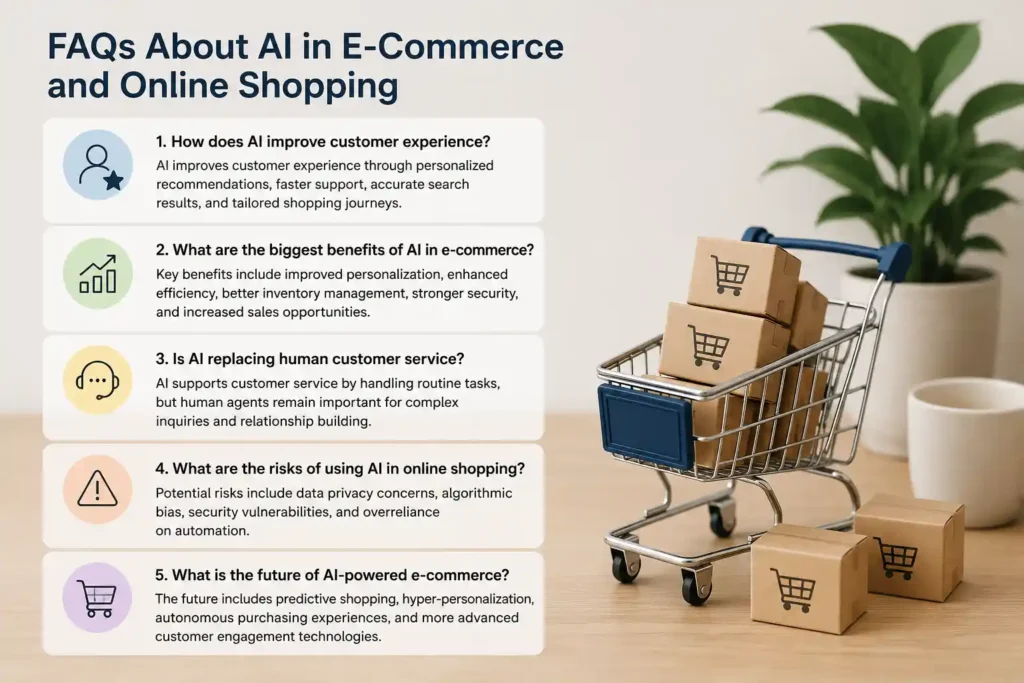
How does AI improve customer experience?
AI improves customer experience through personalized recommendations, faster support, accurate search results, and tailored shopping journeys.
What are the biggest benefits of AI in e-commerce?
Key benefits include improved personalization, enhanced efficiency, better inventory management, stronger security, and increased sales opportunities.
Is AI replacing human customer service?
AI supports customer service by handling routine tasks, but human agents remain important for complex inquiries and relationship building.
What are the risks of using AI in online shopping?
Potential risks include data privacy concerns, algorithmic bias, security vulnerabilities, and overreliance on automation.
What is the future of AI-powered e-commerce?
The future includes predictive shopping, hyper-personalization, autonomous purchasing experiences, and more advanced customer engagement technologies.
Conclusion
AI is reshaping e-commerce through generative content, personalized experiences, predictive capabilities, and intelligent automation. While challenges such as privacy concerns and algorithmic bias require careful attention, the benefits of AI continue to drive innovation across the industry. Businesses that adopt responsible AI strategies will be better positioned to enhance customer satisfaction, improve operational efficiency, and succeed in the rapidly evolving world of online shopping.