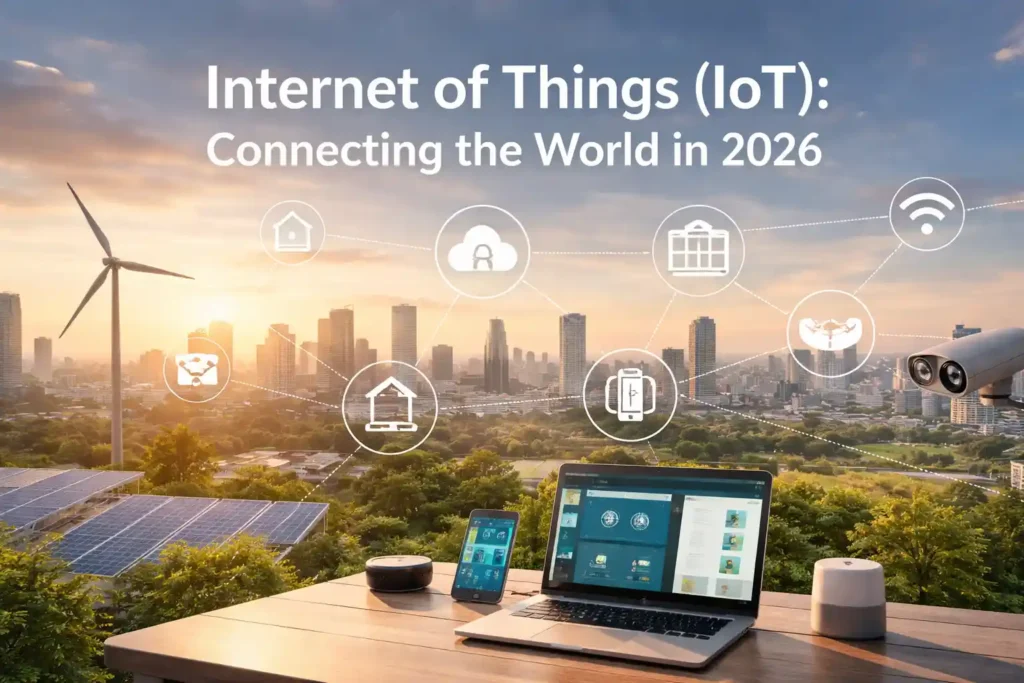

Internet of Things (IoT): Connecting the World in 2026
The Internet of Things (IoT) refers to a network of interconnected devices that communicate and exchange data through the internet without human intervention. These devices include everyday objects such as smartphones, home appliances, vehicles, and industrial machines. The core concept of IoT is to create a smart ecosystem where devices can collect, analyze, and share data to improve efficiency, convenience, and decision-making in real time.
How IoT Works in Simple Terms
IoT works through a combination of sensors, connectivity, and data processing systems. First, devices collect data from their environment using sensors. This data is then transmitted through the internet to a centralized system or cloud platform. Once received, the data is processed and analyzed to generate useful insights. Finally, the system may trigger actions automatically, such as adjusting temperature, sending alerts, or optimizing operations, making everyday tasks more efficient and seamless.
Evolution of IoT Over the Years
Initially, it started with basic machine-to-machine communication. Over time, advancements in internet speed, cloud computing, and artificial intelligence have transformed IoT into a powerful technology. Today, IoT is widely used across industries and households, and in 2026, it continues to expand rapidly, connecting billions of devices worldwide and shaping a smarter digital future.
Key Components of IoT Systems
Sensors and Devices
These components collect real-time data such as temperature, motion, light, and humidity. Devices like smart thermostats, fitness trackers, and industrial machines rely on sensors to gather accurate information from their surroundings, enabling intelligent responses and automation.
Connectivity and Networks
Connectivity plays a crucial role in IoT systems, enabling devices to communicate with one another. Technologies such as Wi-Fi, Bluetooth, 5G, and low-power wide-area networks (LPWAN) enable seamless data transmission. Reliable connectivity ensures that devices can send and receive data efficiently, which is essential for real-time operations and decision-making.
Data Processing and Cloud Computing
Cloud computing platforms store vast amounts of data and provide the computational power required for analysis. Advanced algorithms and analytics tools help transform raw data into meaningful insights, enabling businesses and individuals to make informed decisions and automate processes effectively.
You might also like this: Kerkt Explained
How IoT is Transforming Daily Life
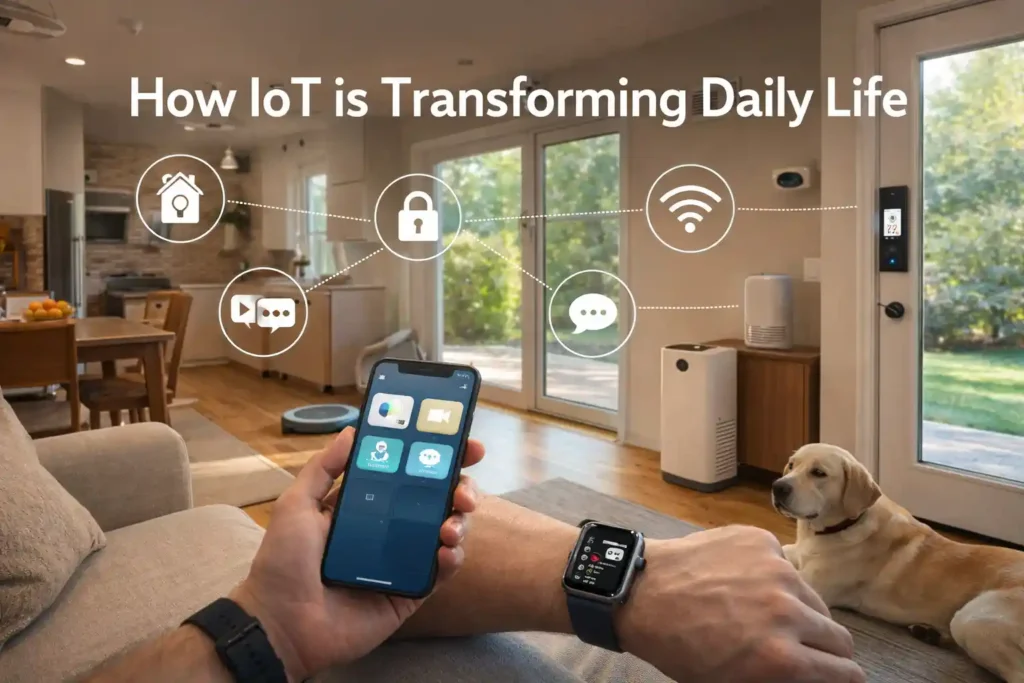
Smart Homes and Automation
IoT has revolutionized modern homes by introducing smart devices that enhance convenience and energy efficiency. Smart lighting, thermostats, and security systems allow users to control their homes remotely through mobile apps. Automation features enable devices to adjust settings based on user preferences, making everyday living more comfortable and efficient.
Wearable Technology
These IoT-powered gadgets monitor physical activity, heart rate, and sleep patterns. By providing real-time health insights, wearable technology helps users maintain a healthier lifestyle and stay informed about their well-being.
IoT in Personal Health Monitoring
IoT plays a vital role in personal healthcare by enabling continuous monitoring of vital signs. Devices such as smart glucose monitors and connected blood pressure machines allow patients to track their health conditions from home. This reduces the need for frequent hospital visits and enables early detection of potential health issues, improving overall healthcare outcomes.
Industrial IoT (IIoT) and Smart Manufacturing
Automation in Factories
Industrial IoT, also known as IIoT, is transforming manufacturing by automating production processes. Smart machines and robots can perform repetitive tasks with high precision and minimal human intervention. This increases productivity, reduces errors, and enhances overall operational efficiency in factories.
Predictive Maintenance
Sensors installed in machinery monitor performance and detect potential issues before they lead to failures. This allows companies to perform maintenance proactively, reducing downtime, minimizing costs, and extending the lifespan of equipment.
Supply Chain Optimization
IoT improves supply chain management by providing real-time visibility into inventory, transportation, and logistics. Businesses can track shipments, monitor storage conditions, and optimize delivery routes. This leads to faster deliveries, reduced waste, and improved customer satisfaction, making supply chains more efficient and reliable.
IoT in Smart Cities
Smart Traffic Management
The integration of IoT in smart cities is transforming how urban transportation systems operate. Smart traffic management systems use sensors, cameras, and connected devices to monitor traffic flow in real time. These systems analyze data to adjust traffic signals, reduce congestion, and improve road safety. By optimizing traffic patterns, cities can minimize travel time, reduce fuel consumption, and lower carbon emissions, making transportation more efficient and eco-friendly.
Waste Management Solutions
IoT is also revolutionizing waste management in urban areas. This helps sanitation departments optimize collection routes and schedules, reducing unnecessary trips and operational costs. Additionally, data-driven waste management systems promote recycling and proper waste disposal, contributing to cleaner and more sustainable cities.
Energy Efficiency and Sustainability
Energy management is a key focus of IoT-enabled smart cities. Connected systems monitor energy usage in buildings, streetlights, and public infrastructure. IoT solutions also support the integration of renewable energy sources, helping cities move toward sustainability goals while lowering operational costs and environmental impact.
You might also like this: Spaietacle Review (2026)
Role of 5G in IoT Expansion
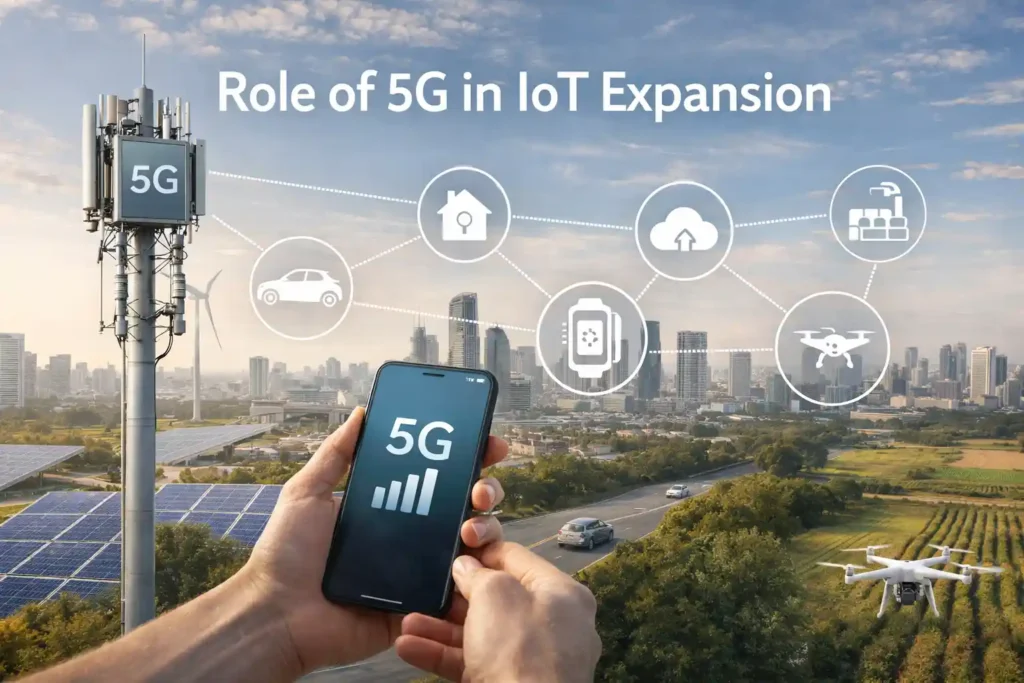
Faster Connectivity and Low Latency
The deployment of 5G technology is accelerating the growth of IoT by providing faster connectivity and lower latency. With high-speed data transmission, devices can communicate almost instantly, enabling seamless interaction between connected systems. This is particularly important for applications that require immediate responses, such as autonomous vehicles and remote healthcare monitoring.
Enabling Real-Time Applications
5G enables real-time IoT applications by supporting large volumes of data transfer with minimal delay. Industries can leverage this capability for advanced use cases like smart factories, remote surgeries, and intelligent transportation systems. Real-time data processing ensures quick decision-making and enhances the performance of critical operations, making IoT solutions more reliable and effective.
Future Network Capabilities
As 5G continues to evolve, it will unlock new possibilities for IoT innovation. Enhanced network capacity will allow billions of devices to connect simultaneously without compromising performance. Future advancements in network slicing and edge computing will further improve efficiency, enabling customized solutions for different industries and use cases.
Benefits of IoT in 2026
Increased Efficiency and Productivity
In 2026, IoT is playing a vital role in improving efficiency across various sectors. Automated systems reduce manual effort and streamline processes, allowing businesses to operate more effectively. Real-time monitoring and data analysis help identify inefficiencies and optimize performance, leading to increased productivity and better resource utilization.
Cost Reduction for Businesses
One of the major advantages of IoT is its ability to reduce operational costs. By automating tasks and improving resource management, businesses can lower expenses related to labor, energy, and maintenance. Predictive maintenance and smart inventory management further minimize losses, making IoT a cost-effective solution for organizations of all sizes.
Improved Decision-Making with Data
IoT generates vast amounts of data that can be used to make informed decisions. Advanced analytics tools process this data to provide valuable insights into customer behavior, operational performance, and market trends. Businesses can use these insights to develop strategies, improve services, and gain a competitive edge in the market.
Challenges and Risks of IoT
Security and Privacy Concerns
Despite its benefits, IoT presents significant security and privacy challenges. Connected devices are vulnerable to cyberattacks, which can lead to data breaches and unauthorized access. Protecting sensitive information requires robust security measures, including encryption, authentication, and regular software updates.
Data Management Issues
The massive volume of data generated by IoT devices can be difficult to manage. Organizations must ensure proper storage, processing, and analysis of data to extract meaningful insights. Poor data management can lead to inefficiencies, increased costs, and missed opportunities, making it essential to implement effective data handling strategies.
Interoperability Problems
Interoperability remains a major challenge in IoT ecosystems. Devices from different manufacturers often use different standards and protocols, making it difficult for them to communicate seamlessly. This lack of compatibility can limit the effectiveness of IoT solutions and increase implementation complexity. Standardization efforts are needed to ensure smooth integration and maximize the potential of IoT technologies.
You might also like this: Smart Home Essentials
IoT Security: Protecting Connected Devices
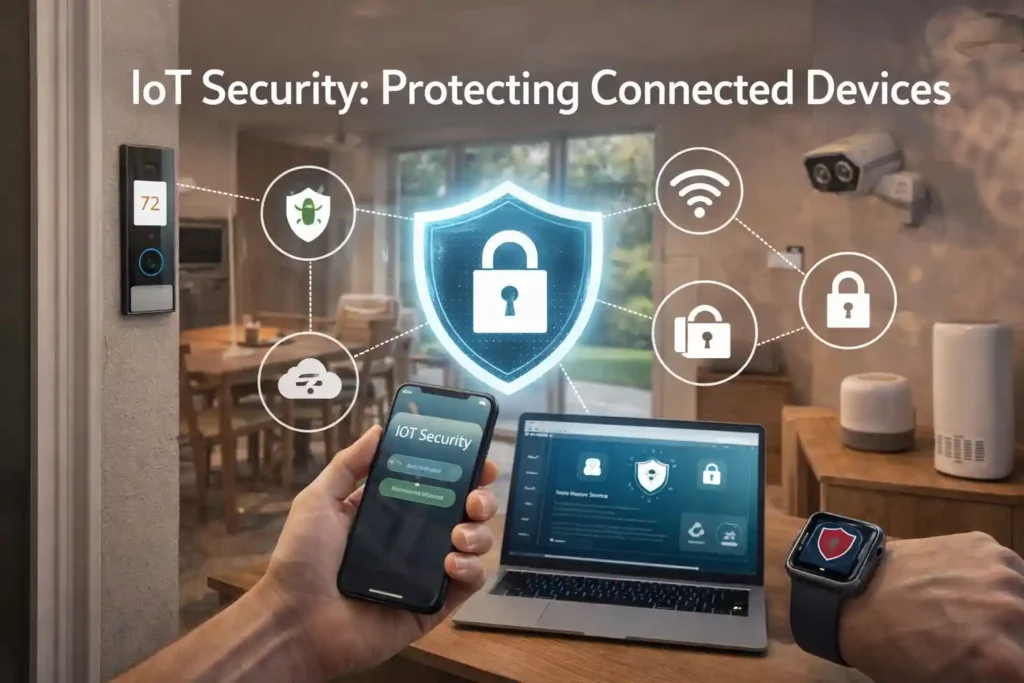
Common IoT Threats
As the number of connected devices grows, IoT security has become a major concern in 2026. Common threats include unauthorized access, malware attacks, data breaches, and device hijacking. Hackers often exploit weak passwords, outdated software, and unsecured networks to gain control of IoT devices. These vulnerabilities can lead to serious consequences, such as privacy violations, financial loss, and disruption of critical systems.
Best Security Practices
To protect IoT devices, it is essential to follow strong security practices. Users and organizations should implement secure authentication methods, such as multi-factor authentication and strong passwords. Regular software updates and firmware patches help fix vulnerabilities and improve device security. Network segmentation and encryption also play a key role in safeguarding data. By adopting these measures, users can significantly reduce the risk of cyber threats and ensure safer IoT environments.
Role of AI in IoT Security
Artificial intelligence is playing an important role in enhancing IoT security. AI-powered systems can detect unusual patterns and identify potential threats in real time. Machine learning algorithms analyze large datasets to predict and prevent cyberattacks before they occur. This proactive approach improves threat detection accuracy and reduces response time, making IoT systems more resilient against evolving security challenges.
Future Trends in IoT
AI and Machine Learning Integration
The integration of AI and machine learning with IoT is shaping the future of connected technology. Smart devices are becoming more intelligent, capable of learning user behavior and making autonomous decisions. This combination enhances automation, improves efficiency, and enables advanced applications across industries, from healthcare to manufacturing.
Edge Computing Growth
Edge computing is emerging as a key trend in IoT development. This reduces latency, improves response time, and enhances data security. As IoT devices continue to generate massive amounts of data, edge computing will play a crucial role in ensuring faster and more efficient data processing.
Digital Twins and Automation
Digital twin technology is gaining popularity in IoT ecosystems. A digital twin is a virtual replica of a physical object or system that can simulate real-world conditions. This allows businesses to monitor performance, predict outcomes, and optimize operations. Combined with automation, digital twins enable smarter decision-making and improved efficiency in various industries.
Real-World Examples of IoT Applications
Healthcare Industry
IoT is transforming the healthcare industry by enabling remote patient monitoring and smart medical devices. Wearable sensors track vital signs such as heart rate and blood pressure, providing real-time data to healthcare providers. This improves patient care, reduces hospital visits, and enables early detection of health issues.
Agriculture and Smart Farming
In agriculture, IoT is helping farmers optimize crop production and resource management. Smart sensors monitor soil moisture, temperature, and weather conditions, allowing farmers to make informed decisions. Automated irrigation systems ensure efficient water usage, while data-driven insights improve crop yield and reduce waste.
Retail and E-commerce
IoT is enhancing the retail and e-commerce sectors by improving customer experience and operational efficiency. Smart shelves track inventory levels in real time, while connected devices analyze customer behavior and preferences. Businesses can use this data to personalize marketing strategies, streamline supply chains, and improve overall service quality.
You might also like this: Quartist Review 2026
FAQs About Internet of Things (IoT)
What are examples of IoT devices?
Examples of IoT devices include smart thermostats, fitness trackers, connected cars, smart refrigerators, and home security systems. These devices collect and share data to provide automation and improved functionality.
Is IoT safe to use in 2026?
IoT can be safe when proper security measures are implemented. Using strong passwords, updating devices regularly, and securing networks can help reduce risks associated with connected devices.
How does IoT impact businesses?
IoT helps businesses improve efficiency, reduce costs, and make data-driven decisions. It enables automation, enhances customer experiences, and provides valuable insights for growth and innovation.
What is the difference between IoT and AI?
IoT refers to connected devices that collect and share data, while AI focuses on analyzing data and making intelligent decisions. Together, they create smarter and more efficient systems.
What industries use IoT the most?
Industries such as healthcare, manufacturing, agriculture, retail, and transportation widely use IoT to improve operations, enhance productivity, and deliver better services.
Conclusion About Internet of Things (IoT)
The Internet of Things continues to reshape the modern world by connecting devices, systems, and people in powerful ways. From improving daily life to transforming industries, IoT offers countless opportunities for innovation and growth. While challenges like security and data management remain, advancements in technology are addressing these issues. As IoT evolves, it will play an even greater role in building smarter, more efficient, and highly connected environments in the future.