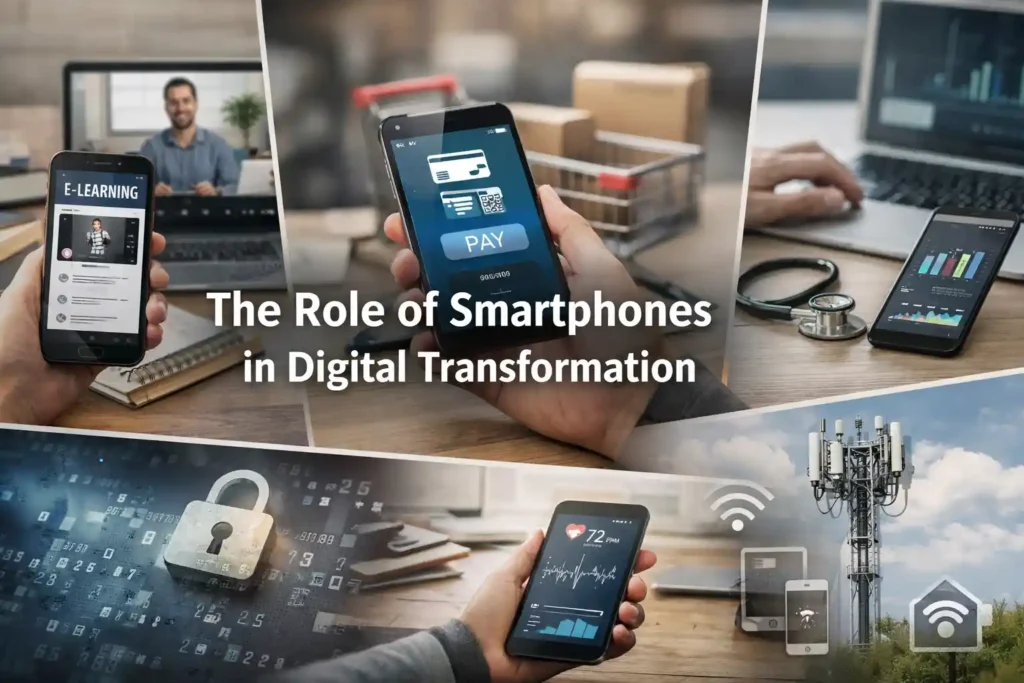

The Role of Smartphones in Digital Transformation
Digital transformation refers to the integration of digital technologies into all areas of life, business, and society. Rather than simply adopting new tools, it involves a cultural shift that encourages innovation, agility, and continuous improvement. Businesses and individuals alike rely on digital systems to streamline processes, enhance communication, and make data-driven decisions in an increasingly competitive environment.
Evolution of Digital Technologies
The journey of digital transformation began with basic computing systems and has evolved into a highly interconnected ecosystem. Early technologies focused on automation and data storage, but advancements in cloud computing, artificial intelligence, and mobile networks have redefined digital capabilities. Over time, these innovations have become more accessible and user-friendly, allowing people to perform complex tasks with minimal effort. This evolution has set the stage for smartphones to become central to modern digital experiences.
Why Smartphones Matter in This Shift
Smartphones play a crucial role in digital transformation because they combine multiple technologies into a single, portable device. They enable instant communication, access to information, and seamless interaction with digital platforms. As a result, smartphones have become essential tools for both personal and professional use, driving efficiency and connectivity across various sectors. Their convenience and widespread availability make them a key driver of global digital change.
The Rise of Smartphones in the Digital Era
Growth of Smartphone Adoption
The adoption of smartphones has grown rapidly over the past decade, reaching billions of users worldwide. Affordable devices, improved network coverage, and user-friendly interfaces have contributed to this growth. In many regions, smartphones are the primary means of accessing the internet, making them indispensable in daily life. This widespread adoption has accelerated digital transformation by bringing technology into the hands of a larger population.
Key Milestones in Mobile Technology
Mobile technology has achieved significant milestones that have shaped the digital landscape. The introduction of touchscreens, app ecosystems, high-speed internet connectivity, and advanced cameras has transformed smartphones into powerful computing devices. The rollout of 4G and 5G networks has further enhanced speed and reliability, enabling real-time communication and data sharing. These developments have expanded the capabilities of smartphones and reinforced their importance in digital transformation.
Smartphones vs Traditional Computing Devices
While traditional computing devices like desktops and laptops remain important, smartphones offer unmatched portability and convenience. They allow users to perform tasks on the go, from sending emails to managing finances. Smartphones also support a wide range of applications that cater to different needs, making them more versatile than many traditional devices. This shift toward mobile-first usage highlights the growing dominance of smartphones in the digital era.
You might also like this: Future of Remote Work Technology
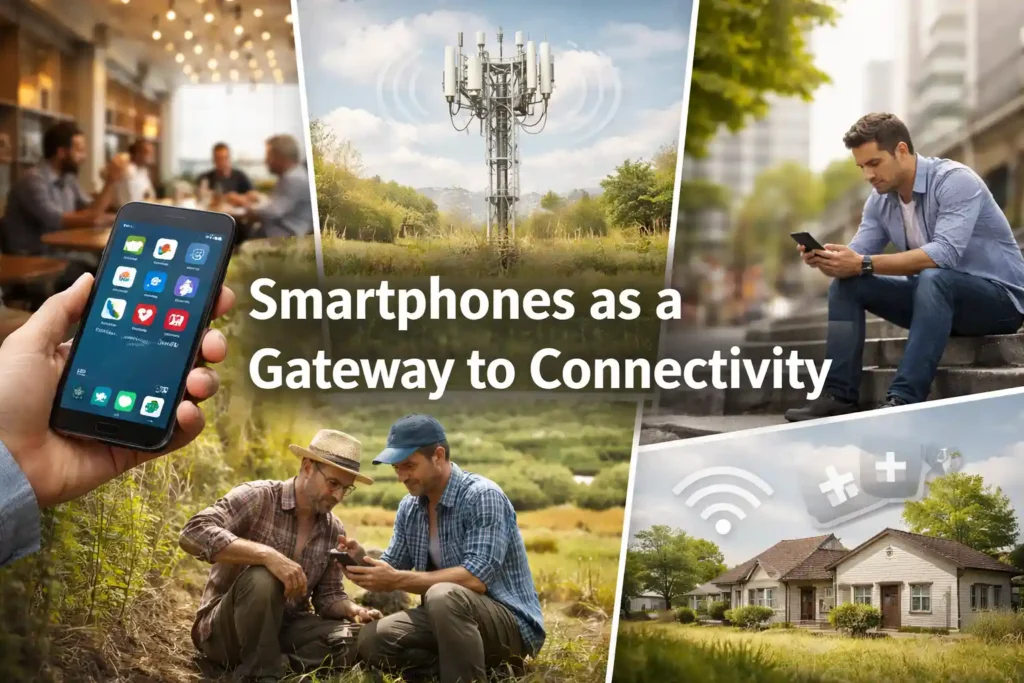
Smartphones as a Gateway to Connectivity
Internet Accessibility Through Mobile Devices
Smartphones have made internet access more accessible than ever before. With just a mobile device, users can browse websites, use social media, and access online services from virtually anywhere. This accessibility has transformed how people communicate, learn, and work, enabling greater participation in the digital economy. Mobile internet has become a fundamental part of everyday life, especially in regions where traditional infrastructure is limited.
Role in Bridging the Digital Divide
One of the most significant impacts of smartphones is their ability to bridge the digital divide. By providing affordable access to digital tools and services, smartphones help reduce disparities between different socioeconomic groups. They empower individuals with information, education, and opportunities that were previously out of reach. As a result, smartphones contribute to greater inclusivity and equal access to digital resources.
Impact on Rural and Urban Connectivity
Smartphones have improved connectivity in both rural and urban areas, though their impact is particularly notable in remote regions. In rural communities, smartphones often serve as the primary gateway to the internet, enabling access to essential services such as healthcare, education, and financial tools. In urban areas, they enhance convenience and efficiency by supporting smart city initiatives and digital services. This widespread connectivity strengthens communication and drives overall development.
Role of Smartphones in Business Transformation
Mobile-Driven Business Models
Smartphones have enabled the rise of mobile-driven business models that focus on convenience and accessibility. Companies now offer services through mobile apps, allowing customers to interact with businesses anytime, anywhere. From e-commerce to digital banking, these models rely heavily on smartphone technology to deliver seamless user experiences. This shift has transformed how businesses operate and compete in the digital marketplace.
Remote Work and Mobile Productivity
The growth of remote work has highlighted the importance of smartphones in maintaining productivity. Employees can access emails, collaborate with teams, and manage tasks directly from their devices. Mobile applications and cloud-based tools make it easier to work from any location, increasing flexibility and efficiency. Smartphones have become essential for supporting modern work environments and ensuring continuity in business operations.
Enterprise Mobility Solutions
Enterprise mobility solutions leverage smartphones to improve organizational efficiency and communication. Businesses use mobile devices to streamline workflows, monitor performance, and enhance customer engagement. These solutions enable real-time data access and decision-making, which are critical in a fast-paced digital environment. By integrating smartphones into their operations, organizations can achieve greater agility and responsiveness, further driving digital transformation.
Smartphones in E-Commerce and Digital Payments
Mobile Shopping Trends
Smartphones have revolutionized e-commerce by making online shopping faster, more convenient, and highly personalized. Consumers now prefer mobile devices to browse products, compare prices, and complete purchases within minutes. Features such as one-click checkout, personalized recommendations, and push notifications have significantly enhanced the user experience. Mobile-first platforms are now the norm, as businesses optimize their websites and applications for smaller screens. This shift has encouraged impulse buying and increased overall online sales, making smartphones a central pillar of modern e-commerce growth strategies worldwide.
Digital Wallets and Payment Apps
The rise of digital wallets and mobile payment apps has transformed how financial transactions are conducted. Smartphones allow users to store payment information securely and complete transactions without physical cash or cards. Payment solutions such as QR codes, contactless payments, and peer-to-peer transfers have simplified everyday financial activities. These tools not only save time but also improve transaction efficiency for both consumers and businesses. As adoption grows, digital payments are becoming an essential part of the global financial ecosystem, driving cashless economies and enhancing financial inclusion.
Security and Consumer Trust
Security remains a critical factor in the success of mobile commerce and digital payments. Smartphones incorporate advanced security features such as biometric authentication, encryption, and secure payment gateways to protect user data. Building consumer trust is essential, as users need confidence that their personal and financial information is safe. Businesses invest heavily in cybersecurity measures to prevent fraud and data breaches. As a result, improved security protocols have played a vital role in encouraging widespread adoption of mobile transactions and strengthening trust in digital platforms.
You might also like this: Metaverse Technologies
Impact on Communication and Collaboration

Instant Messaging and Social Media
Smartphones have redefined communication through instant messaging and social media platforms. Users can connect with others in real time, share multimedia content, and engage in global conversations instantly. These tools have made communication more dynamic and interactive, breaking geographical barriers. Social media apps also serve as powerful platforms for marketing, networking, and information sharing. This constant connectivity has transformed both personal interactions and business communication strategies, making smartphones indispensable in the digital age.
Video Conferencing and Remote Teams
The growth of remote work has been fueled by smartphones that support video conferencing and virtual meetings. Employees can attend meetings, collaborate with colleagues, and manage projects from anywhere. High-quality cameras and stable internet connectivity have made mobile video calls more efficient and accessible. This flexibility has allowed organizations to operate beyond traditional office spaces, improving productivity and reducing operational costs. Smartphones have become essential tools for enabling remote teams and maintaining seamless communication in modern workplaces.
Real-Time Collaboration Tools
Real-time collaboration tools available on smartphones have enhanced teamwork and efficiency. Applications for document sharing, project management, and team communication allow users to collaborate instantly. These tools ensure that team members stay updated and aligned, regardless of their location. Smartphones enable quick decision-making and faster execution of tasks, which is crucial in a competitive business environment. This capability has significantly improved organizational workflows and strengthened collaboration across industries.
Smartphones and Data-Driven Decision Making
Mobile Data Collection
Smartphones play a key role in collecting vast amounts of data through user interactions, location tracking, and app usage. Businesses leverage this data to understand consumer behavior, preferences, and trends. Mobile data collection enables organizations to gather real-time insights, which are essential for making informed decisions. This continuous flow of data has become a valuable asset for companies aiming to improve their products and services.
Analytics and User Insights
The data collected through smartphones is analyzed to generate meaningful insights. Advanced analytics tools help businesses identify patterns, predict trends, and optimize strategies. User insights derived from mobile data allow companies to personalize experiences and improve customer satisfaction. This data-driven approach enhances decision-making processes and provides a competitive advantage in the digital marketplace. Smartphones have thus become powerful tools for driving strategic growth.
Role of AI and Machine Learning in Mobile Apps
Artificial intelligence and machine learning have significantly enhanced smartphone capabilities. Mobile apps now use AI to provide personalized recommendations, automate tasks, and improve user experiences. Machine learning algorithms analyze user behavior to deliver relevant content and services. These technologies also enable features such as voice assistants, predictive text, and image recognition. The integration of AI in smartphones continues to push the boundaries of innovation and efficiency.
Role in Healthcare Digital Transformation
Telemedicine and Mobile Health Apps
Smartphones have transformed healthcare through telemedicine and mobile health applications. Patients can consult doctors remotely, access medical advice, and receive prescriptions without visiting clinics. This convenience has improved access to healthcare services, especially in remote areas. Mobile health apps also provide information on symptoms, treatments, and preventive care, empowering users to take control of their health.
Health Monitoring via Smartphones
Modern smartphones support health monitoring through built-in sensors and connected devices. Users can track physical activity, heart rate, sleep patterns, and other health metrics. This continuous monitoring helps individuals maintain a healthy lifestyle and detect potential issues early. Healthcare providers can also use this data to offer personalized treatment plans and improve patient outcomes.
Benefits for Patients and Providers
The integration of smartphones in healthcare offers significant benefits for both patients and providers. Patients gain easier access to services, reduced costs, and improved convenience. Providers benefit from better data management, enhanced communication, and efficient service delivery. Overall, smartphones have streamlined healthcare processes and contributed to a more accessible and effective healthcare system in the digital era.
You might also like this: Embedded Systems Development UK
Smartphones in Education and E-Learning

Mobile Learning Platforms
Smartphones have transformed education by enabling mobile learning platforms. Apps and online portals allow students to access lectures, assignments, and interactive content directly from their devices. These platforms support flexible learning schedules and cater to diverse learning styles. Teachers can distribute resources, track progress, and provide feedback instantly. Mobile learning has become especially vital in remote education, ensuring continuity even when traditional classrooms are unavailable.
Accessibility to Educational Resources
Smartphones enhance accessibility to educational resources for students worldwide. E-books, online courses, tutorials, and video lectures are easily available on mobile devices. Learners from remote or underprivileged areas can now access the same quality of content as those in urban centers. This widespread availability reduces barriers to education, fostering greater equity and inclusion. The portability of smartphones ensures that learning can happen anytime, anywhere, breaking traditional limitations of time and space.
Impact on Students and Educators
The integration of smartphones in education positively affects both students and educators. Students benefit from interactive, engaging content and instant access to information, improving knowledge retention and critical thinking skills. Educators can leverage digital tools to enhance lesson plans, monitor student performance, and adopt innovative teaching methods. Overall, smartphones create a collaborative and adaptive learning environment, making education more efficient and personalized.
Security Challenges in Smartphone Usage
Data Privacy Concerns
While smartphones offer convenience, they also raise significant data privacy concerns. Personal information, location data, and financial details are often stored on devices or transmitted over networks. Without proper safeguards, this sensitive information can be exposed to unauthorized parties. Users must remain vigilant about app permissions and data sharing policies to maintain privacy. Educating individuals on safe digital practices is essential to minimize risks and protect personal data.
Mobile Cybersecurity Threats
Mobile devices face various cybersecurity threats, including malware, phishing attacks, and unauthorized access. Hackers can exploit vulnerabilities in apps, operating systems, or unsecured networks to steal information. Businesses and individuals must adopt robust cybersecurity measures to mitigate these risks. Regular software updates, secure passwords, and reliable antivirus programs are critical for maintaining device integrity and protecting against potential attacks.
Best Practices for Safe Usage
Ensuring safe smartphone usage requires proactive strategies. Users should enable two-factor authentication, avoid public Wi-Fi for sensitive transactions, and install security patches promptly. Backing up data and using encrypted communication apps further enhances security. For businesses, mobile device management solutions provide centralized control and protection of corporate data. Following these best practices helps users maintain privacy, prevent breaches, and build trust in mobile technologies.
Future Trends of Smartphones in Digital Transformation
5G and Beyond
The rollout of 5G networks is set to revolutionize smartphone capabilities. Faster speeds, lower latency, and greater network reliability enable seamless streaming, real-time collaboration, and enhanced mobile applications. 5G also supports emerging technologies such as augmented reality (AR), virtual reality (VR), and advanced Internet of Things (IoT) integrations, creating more immersive digital experiences. The adoption of 5G marks a new era in connectivity and mobile innovation.
Integration with IoT Devices
Smartphones are increasingly central to IoT ecosystems, acting as controllers for connected devices. Users can monitor smart homes, wearable health devices, and industrial sensors directly from their mobile devices. This integration allows seamless data exchange, automation, and remote control, making everyday life and business operations more efficient. Smartphones serve as the bridge between digital systems and the physical world, accelerating digital transformation across sectors.
Emerging Technologies (AR/VR, AI)
Emerging technologies like AR, VR, and AI are expanding smartphone functionality. AR applications enhance learning, shopping, and entertainment by overlaying digital content onto the real world. VR enables immersive experiences for training, education, and virtual meetings. AI-powered apps personalize user experiences, optimize workflows, and provide predictive insights. These innovations highlight how smartphones continue to evolve, driving creativity and efficiency in the digital age.
You might also like this: How Technology Shapes Our Daily Lives in 2026
FAQs About Smartphones in Digital Transformation
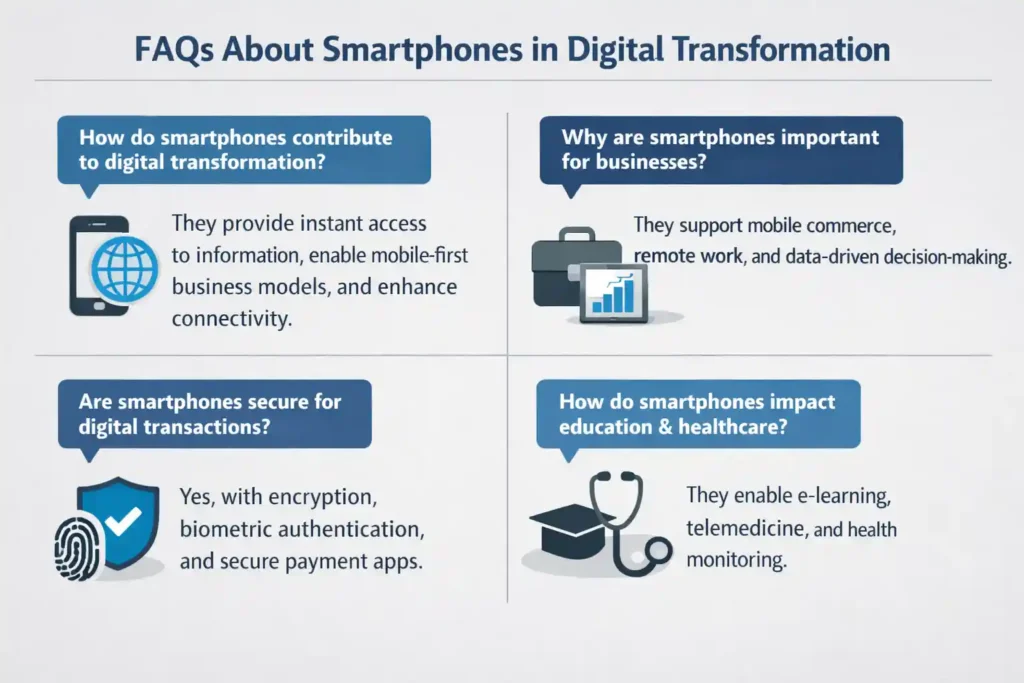
How do smartphones contribute to digital transformation?
Smartphones provide instant access to information, enable mobile-first business models, and facilitate connectivity across industries. They act as tools for productivity, communication, and innovation.
Why are smartphones important for businesses?
They support mobile commerce, remote work, enterprise mobility, and data-driven decision-making, improving efficiency and customer engagement.
Are smartphones secure for digital transactions?
Yes, with proper security measures like encryption, biometric authentication, and secure apps, smartphones can be used safely for digital payments.
How do smartphones impact education and healthcare?
Smartphones enable e-learning, telemedicine, health monitoring, and instant access to resources, improving accessibility and convenience for both students and patients.
What is the future of smartphones in digital transformation?
Smartphones will integrate with 5G, IoT, AR/VR, and AI technologies, further enhancing connectivity, automation, and personalized experiences across industries.
Conclusion
Smartphones have become indispensable in the ongoing digital transformation. From education and healthcare to business and e-commerce, these devices empower individuals and organizations to operate efficiently, stay connected, and make data-driven decisions. With evolving technologies such as 5G, AI, and IoT, smartphones will continue to expand their role, shaping the future of a digitally connected world. Their versatility, accessibility, and innovative capabilities make them central to the progress and success of digital transformation in every sector.